
Trending Blogs

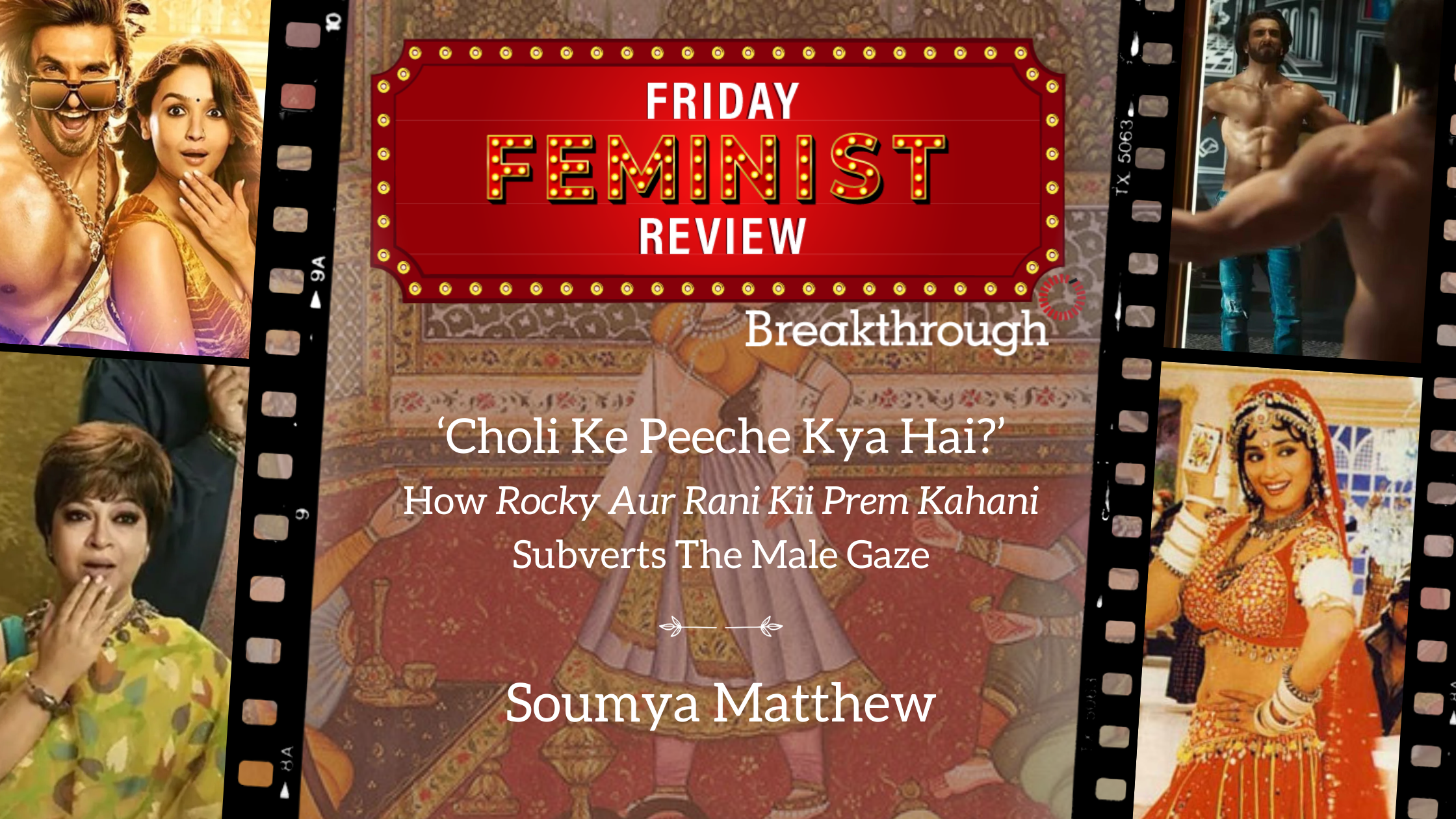
‘Choli Ke Peeche Kya Hai?’:…
‘Choli Ke Peeche Bra Hai!’ –- Anjali Chatterjee tells a visibly uncomfortable Rocky inside a lingerie shop in the film…
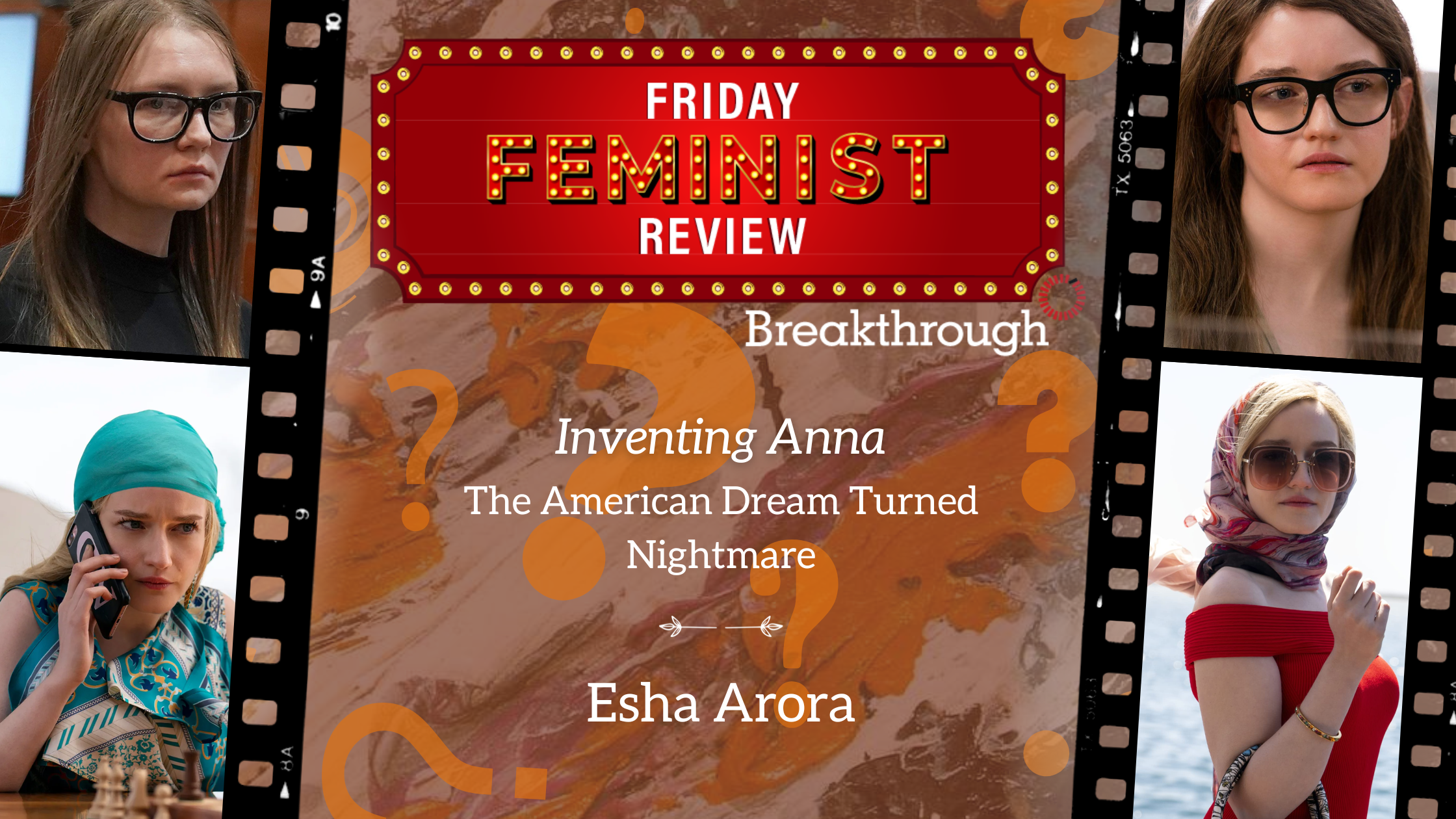
Netflix’s ‘Inventing Anna’ — The…
Inventing Anna is a limited series starring Julia Garner that tells the true story of the fraudster Anna Sorokin, who…

Made in Heaven Season 2:…
Made in Heaven has been praised for its depiction of the rich and powerful through storylines that address social justice…
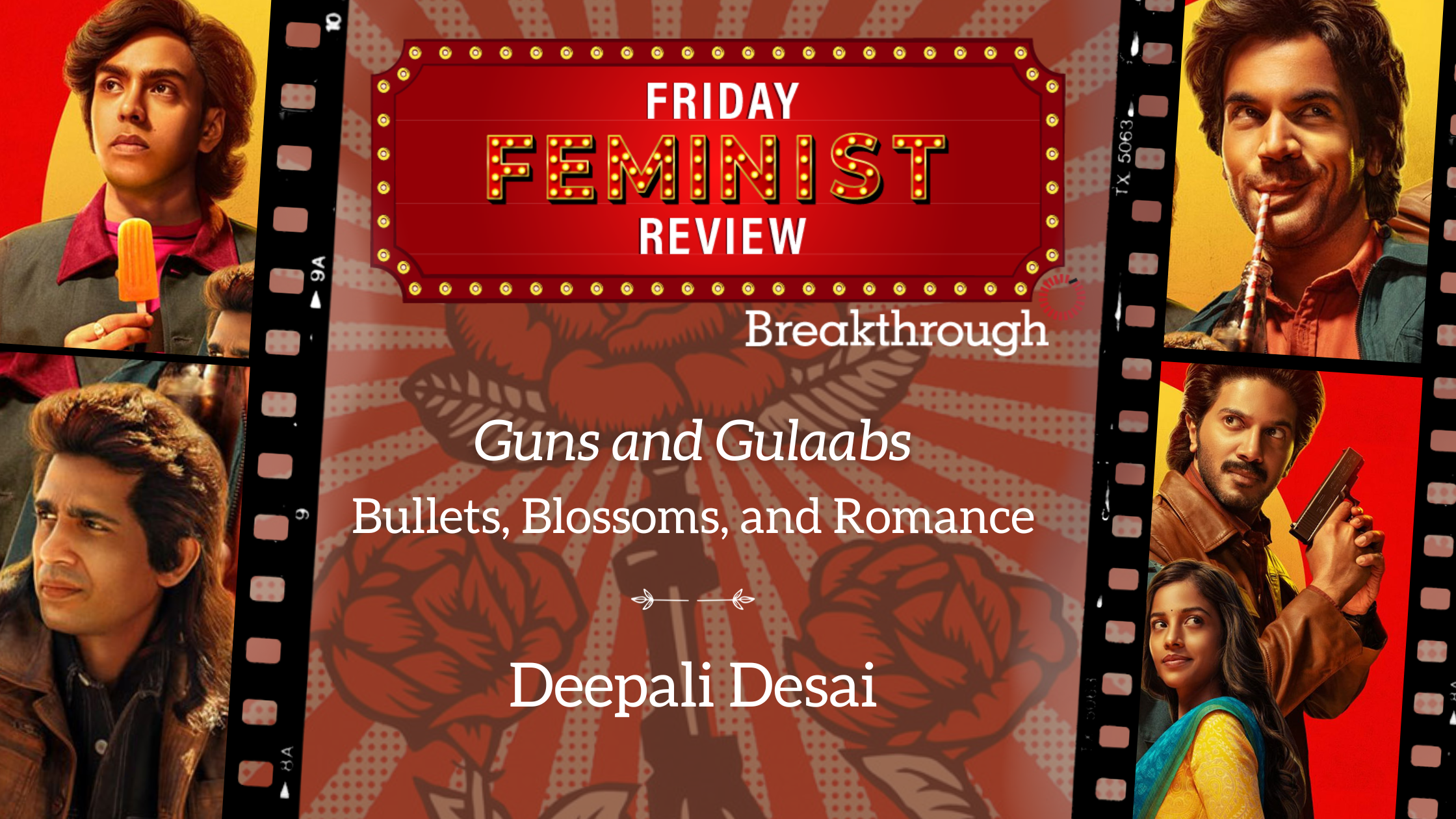
Guns and Gulaabs: Bullets, Blossoms,…
Guns and Gulaabs, the latest sensation on Netflix, sweeps viewers away to the fictional town of Gulabganj, a place infamous…
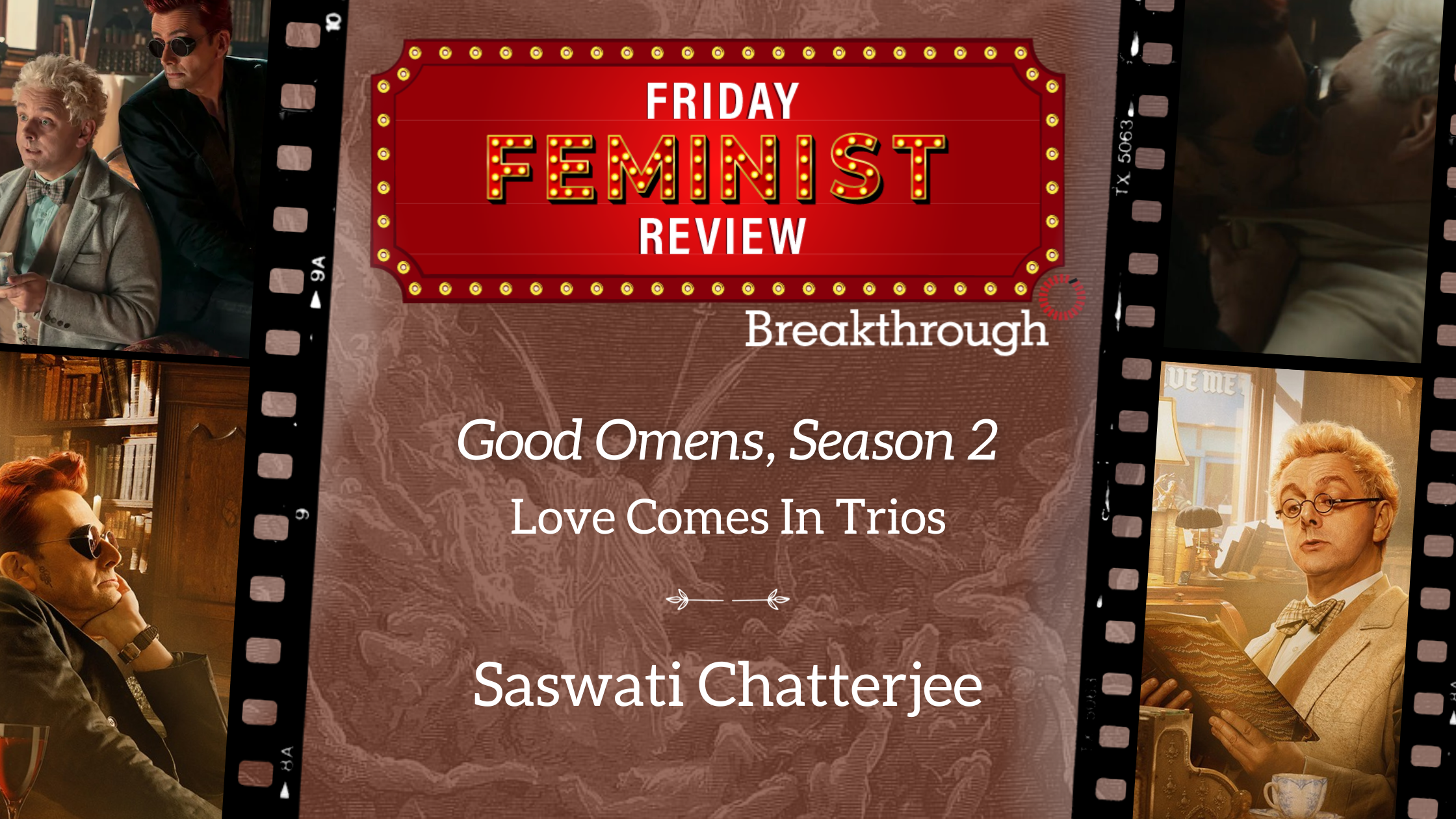
Good Omens, Season 2: Love…
The second season of Good Omens is a love story. More accurately, it’s a romcom - a genre that has…
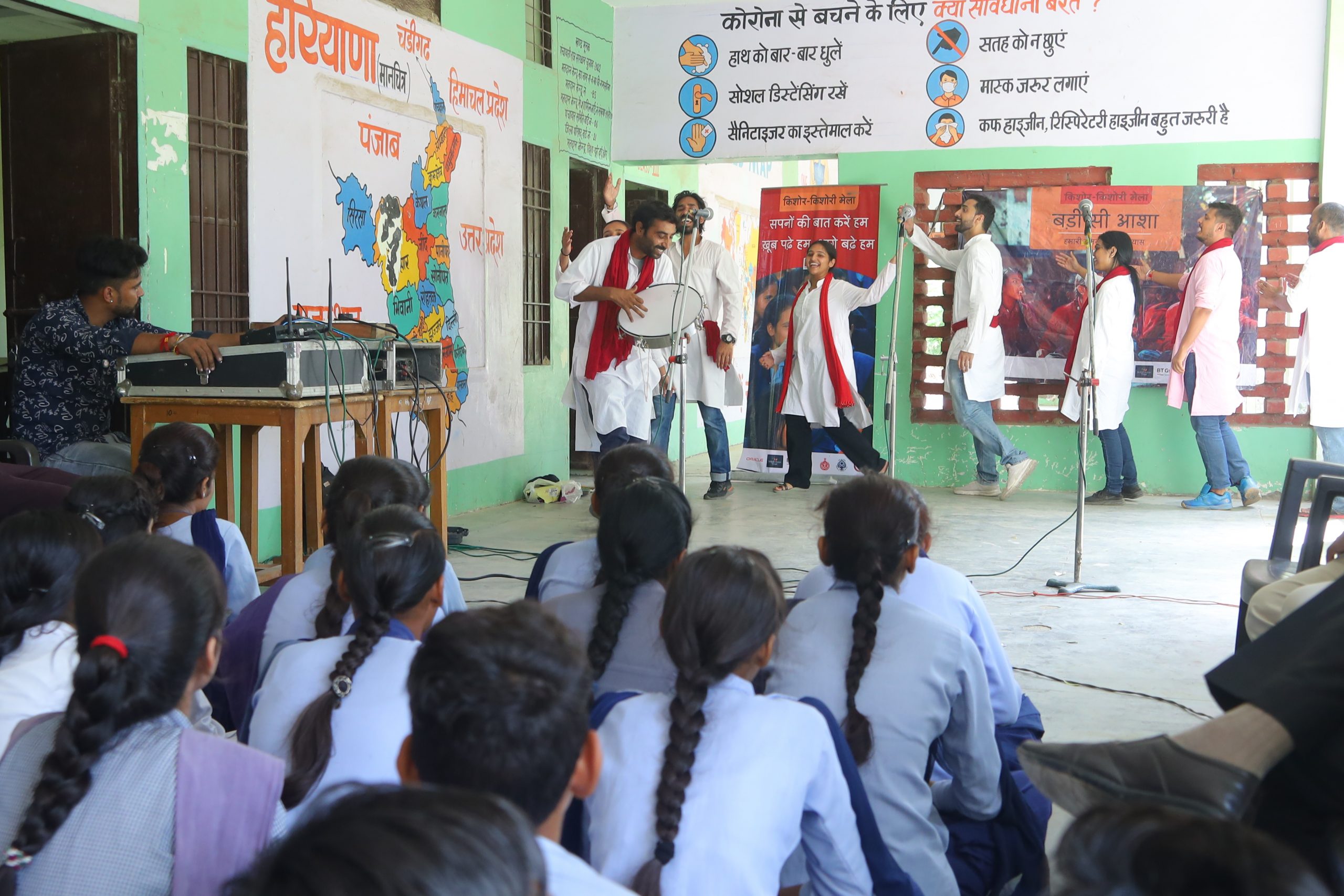
A Look Into How Our…
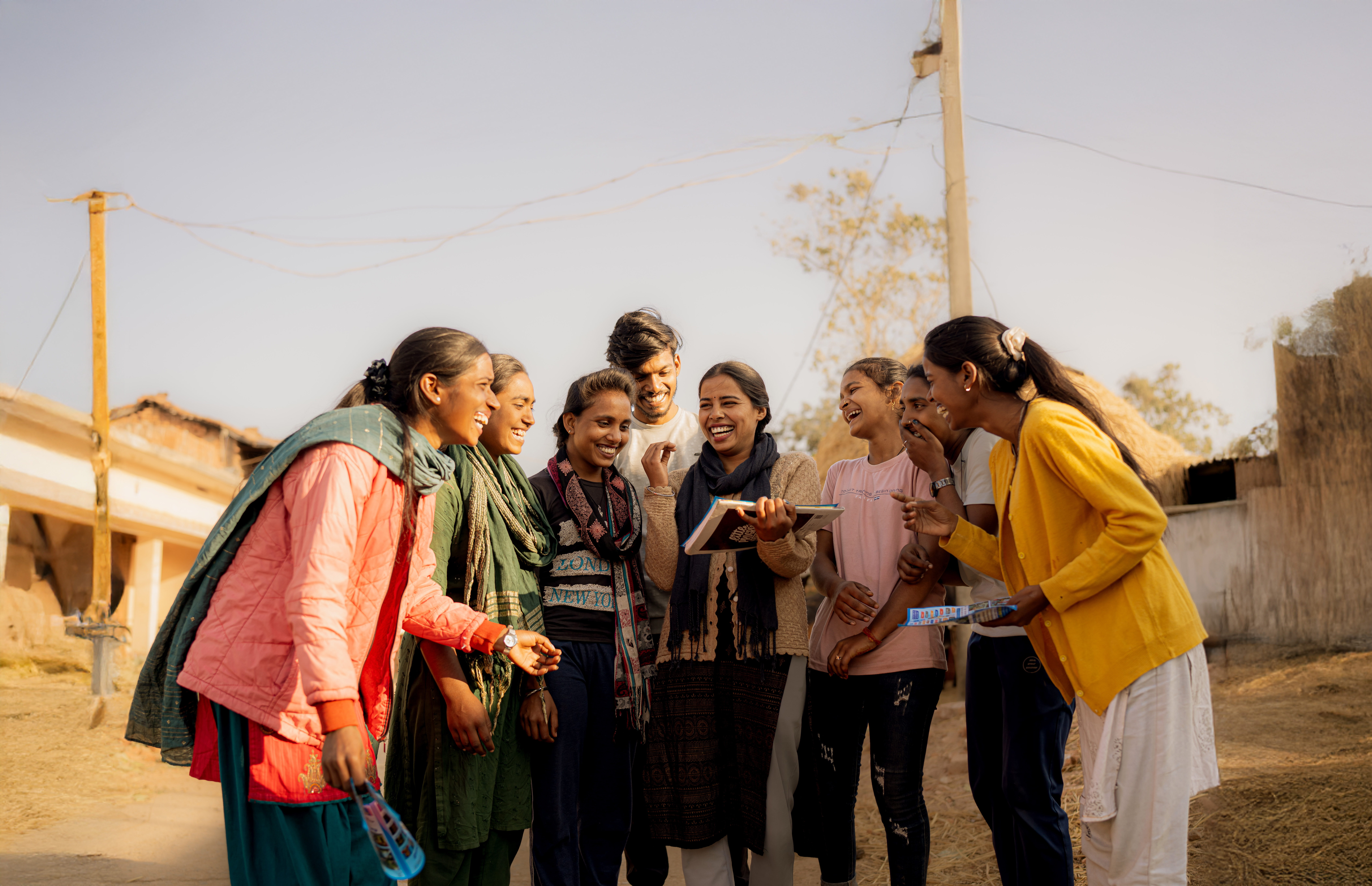
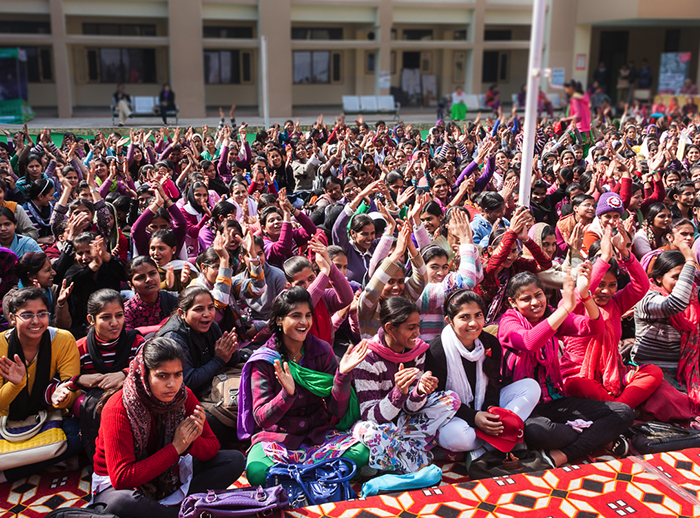
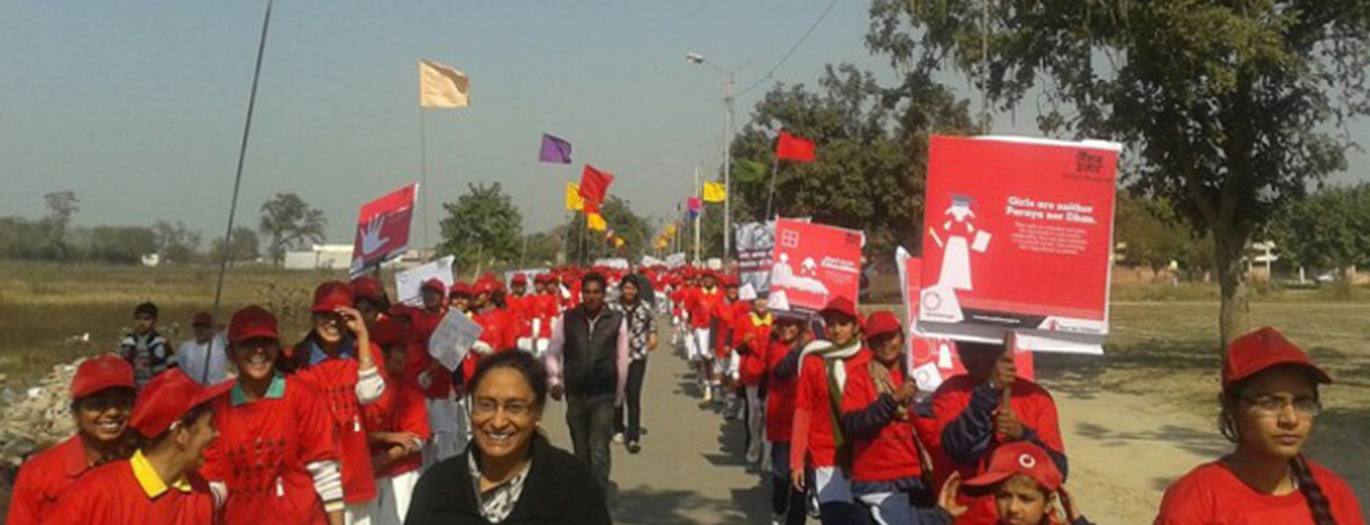
Breakthrough’s Kishor-Kishori melas are an annual community event that attempts to create an enabling environment for the adolescents.
Update Centre
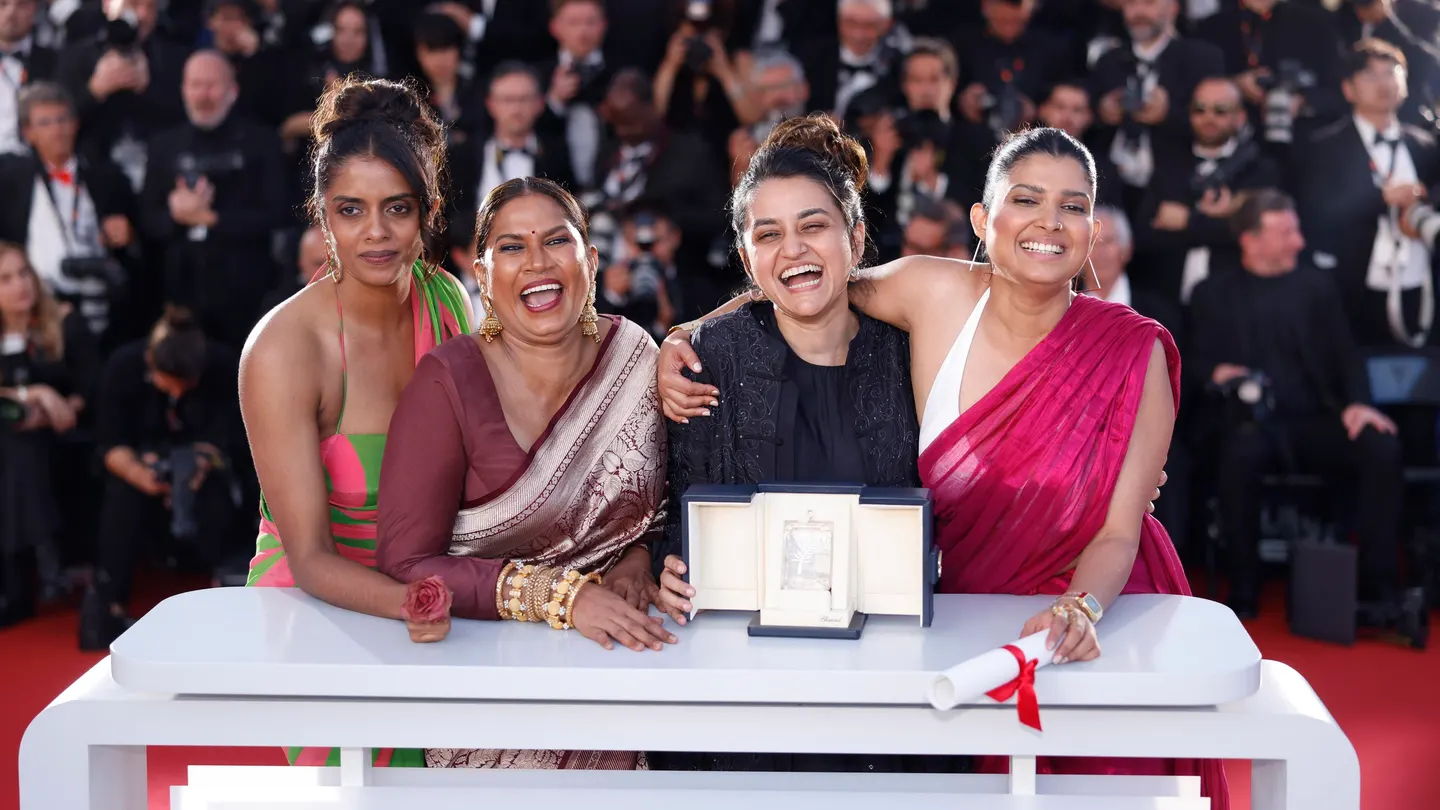
The label of a 'female-oriented film' comes with a plethora of stereotypes. These include that women can only make a certain type of film, their work intrinsically carries less value and ‘serious’ roles like directing and producing are beyond them.Funding is a major stumbling block for women across the board. From mainstream Hollywood to indie directors in South Asia the thread of lack of access to already limited resources runs common. Studies have shown that women are less likely to be granted funding for their own projects, and be paid less when working on others. Independent films, which strive to spark important discussions and push boundaries strengthen the refrain of women's stories ‘not selling’. In her statement, Payal Kapadia says ‘People at Cannes asked me why it is taking 30 years for a film to be selected. While I did ask the selection committee this question, we should also ask ourselves this. Why can we not support more independent filmmakers?” She calls for an ‘autonomous system’ representing those who don’t already have connections in the film industry adding that “For a democracy to thrive, voices need to remain independent from big studios that are run by rich industrialists.” Women have to fight to have their voices heard in a society which burdens them with constant contrary constraints. Those who work in film face the usual hurdles when defending their choice to work, compounded by the lack of job and income security. At its core, filmmaking is pursued out of passion and sidelining women's passions in a core tenant of the patriarchy. Filmmaking is a job with erratic long hours, outside of traditional workspaces. Factors such as lack of safety regulations and proper facilities deter women from pursuing these careers and their families from supporting them. Mukund Narayan, director, has mentioned how he had to change his protagonist from a girl to a boy due to parents' safety concerns. Kani Kusruti, actress in 'All We Imagine As Light’ has pointed out how the lack of toilet and security facilities affects women on sets. Ashwiny Iyer Tiwari provided insight into these double standards to Times of India saying, “We’re always being scrutinised — right from our homes. We’re conditioned to overthink. Sometimes, it helps to think like a man. They don’t feel guilty if they are late.”
At its core, filmmaking is pursued out of passion and sidelining women's passions in a core tenant of the patriarchy. Filmmaking is a job with erratic long hours, outside of traditional workspaces. Factors such as lack of safety regulations and proper facilities deter women from pursuing these careers and their families from supporting them.This extends beyond domestic labour. Men are given far more grace when it comes to devoting themselves to their role. Natalie Portman touched upon this when discussing method acting, saying it's only available to those “whose job as an actor is seen as more important than the other roles they hold in life” and “luxury that women can’t afford”. Payal’s statement resonates with this sentiment. She has said that the resources required are not just material but also aspects like cultural capital, education, and access to the arts. Women are severely disadvantaged here due to the lack of representation in curricula, on boards and selection committees and the extent to which they are allowed to pursue their dreams. This is also precisely why it is essential to invest in women-directed indie films. They tell stories and give platforms that mainstream films won’t. Success stories such as Payal’s are catalysts for increased exposure and investment. It is not that the double standards aren’t acknowledged but only whenever women finally beat the odds and come out on top. There is a certain hypocrisy attached when the same institutions that enforce such challenges celebrate women for breaking the said boundaries. May ‘All We Imagine As Light’ be a testament to how much women can do with so little. Think of what they could do if they were given their dues. Featured image source: Forbes
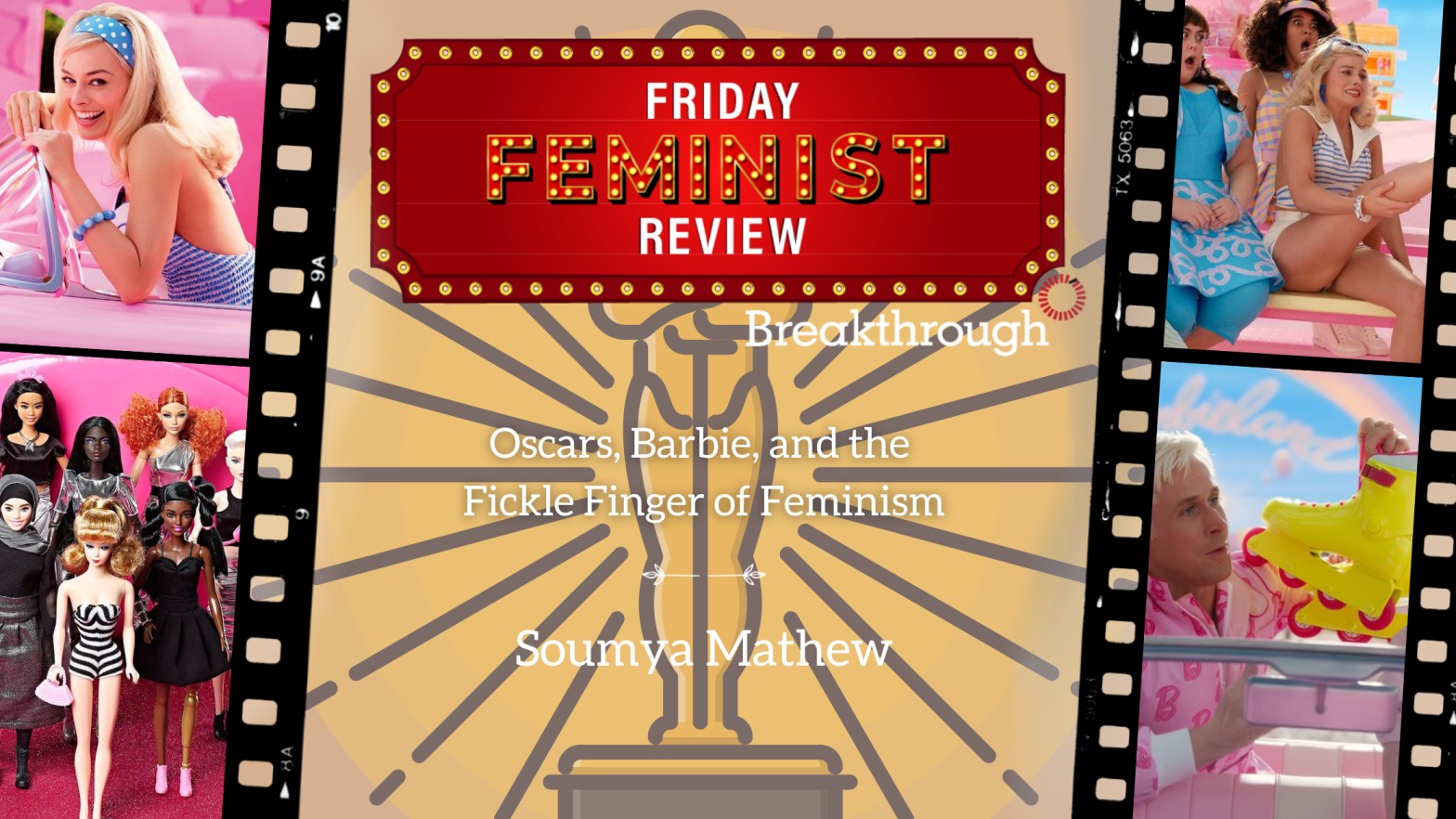
Yet, when one day Barbie brings a dance party to a rude halt with her question about death, you realise that the far away land of misery and agony exists. A depressed Barbie who has overnight developed flat feet, bad breath and cellulite sets on a quest to find the child who is playing with her in the real world, after consulting with the Weird Barbie, who is disfigured because of the very same child who was playing with her in the real world. You will find yourself rooting for Weird Barbie who has no care in the world for beauty or flat feet. Barbie definitely has its moments - one of which is America Ferrera’s character Gloria embarking on a long speech about society’s expectations and the conundrum they result in, for many women. It is also stupidly amusing to see Ken, who has found in the real world that patriarchy is the real deal, promptly getting back to Barbie Land to replicate the model that benefits men. He turns Barbie’s dreamhouse into Mojo Dojo Casa!...it’s not that we think Barbie was a terrible film.
You see, Barbie, with its opulence of all things pink and pretty, truly makes for a delightful (even a rebellious) watch but as someone said on the Internet, it also seemed like a “two-hour long glorified commercial for Mattel”. Barbie tells you things that feminists over years have spoken about for long about the standards that are set for how women should be. And for the same reason, its subject matter does not engage. Ferrera’s speech, though moving and relatable, tells us nothing that we don’t already know. Given how their marketing, digital and PR teams made it almost impossible for people to step out of their houses without catching a glimpse of bubble-gum pink somewhere, anywhere, you’d expect the film to talk about things other than what the first-wave feminists rebelled against. And for the same reason, in addition to being mindful of Greta Gerwig’s filmography (Little Women, Lady Bird, to name a few), one expected Barbie to talk about feminist issues beyond the surface, such as the multi-layered discrimination faced by women and queer people of colour, people with disabilities, etc. Heck, if the makers were not so lazy to show Los Angeles as the real world and had gone beyond white people-dominantly populated regions, the issues they’d have shown would have been vastly different and relatable for other communities of colour, class, race and caste.Greta Gerwig touches upon the feminist fury, which forms the core of the women’s rights movement, with care and precision.
Meanwhile, the Oscar ‘snub’ is being touted as revelatory of how women continue to be stifled from being recognised for their success, in line with the messaging of the movie itself. That would have made more sense had Barbie not received eight Oscar nominations, including Best Picture. It would have definitely been noteworthy if this was not the first time that the Best Picture category has more films directed by women as nominees. Not to forget, Lily Gladstone (nominated in the Best Actress category for Killers of the Flower Moon) is the first Indigenous American actress to be nominated for an Academy Award. Not something to brag home about in the year 2024, yet the buzz around the Barbie Oscar ‘snub’ steers conversations and global recognition away from the achievements of many other stellar women and their work. Watch the trailer for Barbie here: https://youtu.be/pBk4NYhWNMM[Barbie] also seemed like a “two-hour long glorified commercial for Mattel”
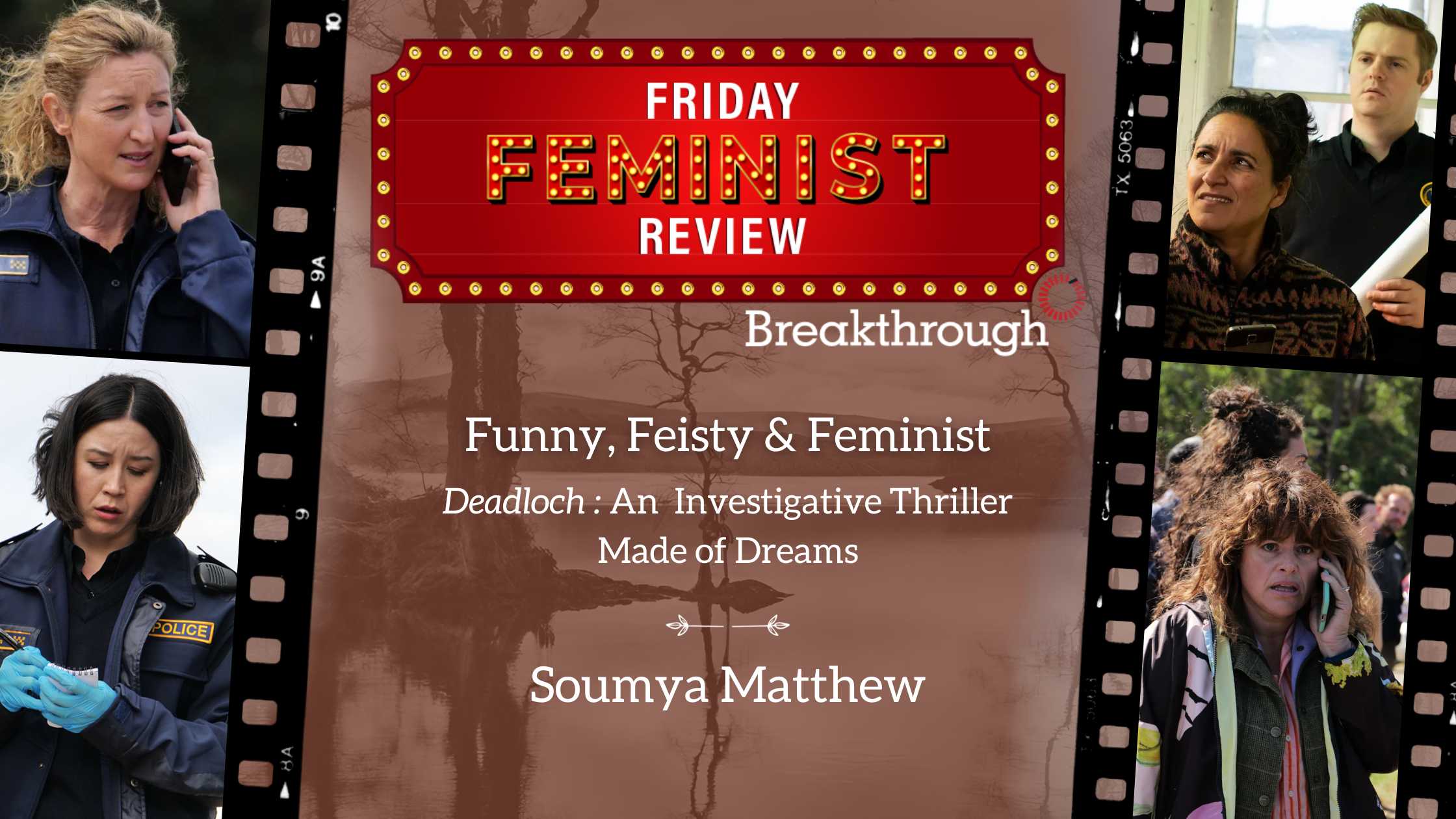
Produced and written by Kate McCartney and Kate McLennan, Deadloch is a feminist dream and for the same reason, could be most cis-men’s nightmare. “Man-hating lesbians!”, “your kind”, are just some of the many, many choice phrases that the men use to describe the women in Deadloch. But you don’t feel bad, really. Especially because you realise very soon that Deadloch subverts the conventional portrayal of women as supplementary characters that take forward the stories of men. Men in the series are just on the periphery, hilariously caricatured, while women take centre stage in the narrative. The lead detective is a woman, the chef’s a woman, the mayor is a woman and the richest person in Deadloch, whose family took away the land of the indigenous people settled there and is now offering tokenist scholarships to the young students of the indigenous community, is also a woman. This arrangement makes you, the viewer, feel like you are in the inner circle and you can have a laugh or two at the obnoxiousness of the men in the series.A sleepy-town, dead body on the beach kind of opening makes you wonder if we’ll see Olivia Coleman from Broadchurch walk right on to our screens.
“This sort of thing, you just presume it’s a woman,” says Commissioner Spencer to Dulcie when she informs him of the dead body. And it’s true, you know. Narrative tropes conventionally try to build tantalising stories around naked, dead bodies of women, because I mean if you wanted a naked, dead body, it might as well be that of a woman’s, right? The Commissioner’s question that precedes this one, is if there was any sign of sexual assault on her body, before Dulcie corrects him. While victims are expected to be women, here you see dead bodies of men lining up one after the other, sending the hypermasculine men in the town into a frenzy, while also doing what they best can — hating on the women with even more fervour. It is also funny that when Eddie, played by Madeleine Sami, is introduced, almost everyone expects a man to turn up. And when Eddie finally does, people around are confused as to what box of gender identity to put her into. And this dilemma looks funnier because Eddie’s antics are essentially that one would usually associate with a cis man — she swears like a drunk sailor in every breath, she burps into everyone’s faces, she doesn’t want to waste time investigating the murders, just like Commissioner Spencer, zeroing in on Skye, the lesbian chef whose orthodox father was the first to be killed, who fits the bill. You also see a contrast in Eddie’s representation eventually, wherein she yearns for companionship, and so you begin to differentiate her from the men in Deadloch who froth at their mouths when they see the queer women in the town.Deadloch subverts the conventional portrayal of women as supplementary characters that take forward the stories of men.
Even better than Eddie’s character arc is that of Abby’s. Played by Australian comedian Nina Oyama, you see Abby grow into a brilliant detective from a clueless, frazzled woman who is often overshadowed by Nick Simpson-Deeks (played by James King), the only forensic pathologist in Deadloch and the resident insufferable king of mansplaining of the town. Man is so full of himself that when Abby confronts him for his attitude, you see him barely registering his mistakes. At the core of it, the show highlights repercussions of what happens when evidently more privileged communities centralise themselves in narratives meant to be led by those who are affected by them. But more than that, Deadloch also makes for an excellent case study in feminist satire and humour. We cannot recommend it enough! Watch the trailer for Deadloch here:This arrangement makes you, the viewer, feel like you are in the inner circle and you can have a laugh or two at the obnoxiousness of the men in the series.
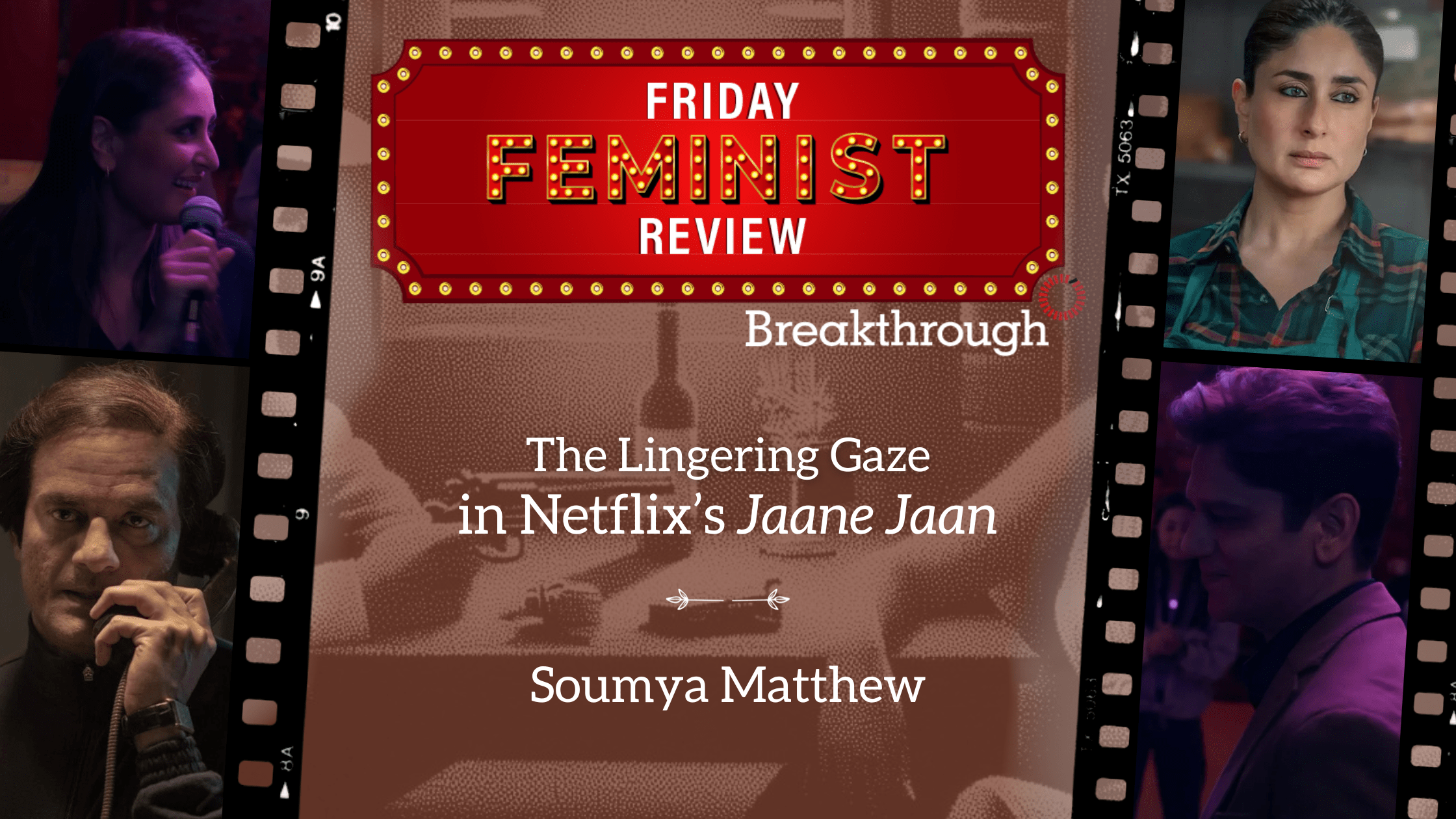
For a woman, whose background story implies that there would have been so many life-changing decisions she would have had to take by herself, Mrs D'souza is relegated to simply following the instructions of the Teacher next door. She doesn’t think twice before trusting the quiet and discreet man and following his orders, which given her life story and circumstances, is difficult to believe. Nevertheless, Mrs D'souza serves a clear purpose in the film. She appears to be looked at. And the camera is devoted to this purpose. As Karan Anand (Vijay Verma) asks Mrs. D'souza to accompany him to the station, his gaze follows her and lingers for uncomfortably long as he leers at her changing clothes. One would think he is regretful because his expressions right after the scene indicate so, but in one particular scene, he goes on to describe Mrs. D'souza as ‘teri hot neighbour’ in a conversation with Teacher, several times. To the point that several characters take time to emphasise on Mrs D’souza’s desirability and appeal.Jaane Jaan makes no attempt to be feminist in the sense of empowering the female lead, and honestly, that is not the problem.
The Teacher, also suspect X, whose devotion towards Mrs D'souza forms the premise of the film (and the novel The Devotion of Suspect X (2005) by Keigo Higashino) also leers. He is possessive, watches with envy from a distance as Mrs D'souza dances with Karan Anand, and enquires with her repeatedly, later, if something happened between her and Karan at the karaoke bar. Devotion, in this scene, seems to overlap with an obsession that the Teacher displays, who seems to be enjoying the control he suddenly has over Mrs D’souza.As Karan Anand (Vijay Verma) asks Mrs D'souza to accompany him to the station, his gaze follows her and lingers for uncomfortably long as he leers at her changing clothes.
While filmmaking is a matter of the creator’s discretion and freedom of expression, it also continues to be one of the most powerful media of messaging and propaganda. So, when narratives portray the helpful, next-door harmless teacher or a police officer meant to maintain law and order as objectifying or controlling a woman’s body and mind, and do not show them as being held accountable for their actions, they normalise problematic behaviour. For everyone rolling their eyes right now, we aren’t nitpicking at the lack of feminism in Jaane Jaan. Our case is for responsible storytelling. Feminism, inevitably, becomes a part of that ethos. (The reviewer has not read the novel and her observations are only based on the film.)Devotion, in this scene, seems to overlap with an obsession that the Teacher displays...
If it sounds strange and eccentric, welcome to the wonderful world of Good Omens! Created by the wonderful minds behind Discworld and American Gods, Good Omens is written by authors Terry Pratchett and Neil Gaiman. And if you know anything about writing, you know that this was pretty much a dream duo. The first season, as a faithful adaptation of the book coupled with some inspired casting, was a delight to watch and by the last episode, I found myself quite pleased with my experience and also, as I thought, finished with it. And then Good Omens Season 2 was announced. Season 2 doesn’t have any pre-existing written material to pick up from but it is apparently based off notes discussed between Pratchett and Gaiman when they were initially pitching the show - way back in the noughts. It is also, according to Neil Gaiman, something of a bridging season - between Season 1 and the yet-to-be-confirmed Season 3. This contributes to some of the season’s stranger and more truncated moments and its clear cliffhanger ending.The second season of Good Omens is a love story.
Good Omens Season 2 is a hit and miss; more of a hit than a miss, if we are judging by pure numbers since it debuted as one of the biggest comedies of the year on Amazon Prime. And if you’re invested in the relationship between Azariphale and Crowley, it’s a definite and unmistakable hit. But if that does not interest you and you were more looking forward to the larger world of Good Omens, you’re going to be disappointed because there’s very little of that. First, the awkward bits: you would think with a show like this, the first season might hang heavy over the second. Not at all. In fact, it’s down right surprising how little (beyond Aziraphale and Crowley) the first season impacts the second. Only a handful of characters return, and many of them are not even referenced which was a little disappointing to me. At times, I found my attention straying unless our main leads were on screen because everything else was so inconsequential: everything was clearly being built to prioritise them which sometimes meant that other things fell very rapidly into the sidelines. But it also meant that the focus of season 2 was very clear: it was about the romance between Aziraphale and Crowley.Created by the wonderful minds behind Discworld and American Gods, Good Omens is written by authors Terry Pratchett and Neil Gaiman. And if you know anything about writing, you know that this was pretty much a dream duo.
Not just them surprisingly enough; the overall theme of season 2 has been romance in general. Apart from Aziraphale and Crowley, there are two other couples who gain the occasional spotlight to mixed success. The first, Nina and Maggie, fell completely flat for me: both as a concept and as a romantic couple. I felt like the actors had little to no chemistry, that the plot was so overtly focused on them being a foil for Aziraphale and Crowley (down to their dressing sense!) that it was hard to see them as characters in their own right. On the other hand [SPOILER ALERT], I connected better with the third couple: Archangel Michael and, of all people, Beelzebub who have somehow managed to not only develop a sincere connection over a couple of drinks but also be a much better foil to our main duo in the process. Both Jon Hamm and Shelley Conn did a lovely job and at the end, I just thought they were adorable. Not as adorable as Michael Sheen and David Tennant who simply acted their hearts out. While the rest of Good Omens Season 2 may have beēn set dressing, these two were the heart of it. From awkward flirting to being millenia old best buddies to the heartbroken kiss, there was everything. Sheen and Tennant brought their A-game to the show and their interaction, as always, were a delight to watch. Since the first season, Sheen in particular has been a favourite of mine (and the fandom at large if the Internet is anything to go by) and watching him go through the well-trodden route of a man/angel in love has been wonderful. The man can do heartbroken love so well....if you’re invested in the relationship between Azariphale and Crowley, it’s a definite and unmistakable hit.
And there is nothing to be said about acting maverick David Tennant that has not been said already. I knew that Crowley and Aziraphale’s kiss was coming (thanks social media) and even then the intensity of how David Tennant initiated it caught me off guard. Crowley’s angst-laden “You idiot, we could have been an us!” has already sunk its claws into fandom’s collective consciousness and is unlikely to shake itself free any time soon. The season ends on a clear clarion call for a Season 3 and I can say that, despite the flaws and the uneven writing, I’m on board. Or, as the young ‘uns say, I am hyped.Sheen and Tennant brought their A-game to the show and their interaction, as always, were a delight to watch.
Rajkummar Rao shines as the central character, Tipu, who strives to distance himself from the violent life his father led. But a twist of fate forces him to take the lives of two men from a rival village, completely altering the course of his own life. Dulquer Salman delivers a compelling performance as Arun Varma, a Narcotics Officer initially seen as an honest and dedicated officer. However, as the story unfolds, Arun's troubled past catches up with him, causing him to lose his integrity for a significant part of the narrative. Recently posted in Gulaabganj with his wife, Madhu (played by Puja Gaur), and daughter Jyotsna, Arun's journey is filled with unexpected turns. In addition to these main characters, the story also follows three schoolboys - Gangaram, Nannu, and Ikhlaq - adding further layers of intrigue to the narrative. Chandralekha, an English school teacher, becomes the object of Gangaram's teenage crush. Tipu, on the other hand, has silently admired Chandralekha for years but has never had the courage to express his feelings. This dynamic creates an interesting contrast between the more mature and restrained Tipu and the dreamy and imaginative Gangaram. A poignant scene where Tipu engraves Chandralekha's initials with a burning matchstick serves as a reminder of how assumptions and unspoken desires often shape our lives. Another incident in the series reflects the harsh reality faced by many girls: when Jyotsna enters the classroom, her strength and fluency in English are seen as threats by some, leading to insults and crude drawings. This unfortunate situation sheds light on the challenges girls continue to face in society, making it relatable and thought-provoking. Despite the adversity, Jyotsna excels academically and becomes a top-performing student.With a perfect blend of dark comedy, violence, intense rivalries, and a sprinkle of romance, this show is a rollercoaster ride from start to finish.
As the episodes progress, the male characters find themselves entangled in a fierce battle for control over opium production. Ganchi, the gang leader, falls into a coma after a fatal accident, leaving his son, Jugnu, to take up the mantle of leadership. Jugnu faces the daunting task of proving himself to his father and ensuring the completion of a promised opium consignment. His character is multi-dimensional, engaging in conversations with his father that challenge societal discrimination against daughters and confront misogynistic mindsets. While Jugnu strives to be the son his father desires and battles against rivals and betrayal, he ultimately fails to seal the deal. In the closing moments of the last episode, Jugnu walks into the hospital, sporting long hair and a salwar kameez, radiating an air of newfound confidence and determination. A conversation between Jugnu and Ganchi hints at the father's awareness of his son's true identity but his refusal to acknowledge it, burdening him with expectations of masculinity. However, Jugnu refuses to be suppressed any longer. The powerful scene of him forcibly removing his father from the ventilator, suffocating him to death, may be a satisfying conclusion for many viewers, but perhaps the writer also intended to let Jugnu finally take charge....a reminder of how assumptions and unspoken desires often shape our lives.
Guns and Gulaabs successfully transports audiences back to the 90s while incorporating modern sensibilities. The show tackles various issues, albeit not in an idealistic manner, and makes an effort to address them. Oh, and let's not forget about Atmaram! But that's a discussion to be continued (hopefully) in the Season 2 review. Stay tuned.[Jugnu]'s character is multi-dimensional, engaging in conversations with his father that challenge societal discrimination against daughters and confront misogynistic mindsets.
A transgender woman, Meher, also joins the team as the Production Head. Trinetra Haldar’s casting is both a welcome act of inclusivity and an acknowledgment of the fact that India’s trans community is extremely diverse, and that this singular role cannot represent everyone. But one hopes that by demonstrating to viewers the reality of being trans through the show, it will help normalise these experiences in real life as well. Haldar is actually an influencer and a practising medical doctor who has gone through SRS herself. Meher’s arc is geared towards communicating how trans women should be treated as human beings, with equal opportunities, love, respect, and achievement. This is important as societal acceptance can significantly improve a nation where the majority of Queer Trans folks are abandoned by their biological families.If there was a diversity checklist, Made in Heaven’s second season would check all the boxes.
Bulbul–played by Mona Singh–maintains a stringent control over the purse strings, ranging from limiting colleagues to one tissue during an emotional scene, replacing expensive champagne with cheaper alternatives, and replacing natural flowers with plastic substitutes. But what begins with a comical flourish takes on a more serious tenor as her life at home slowly brings her past into focus. We quickly find that she is a survivor of domestic abuse, and Jauhari, her much older husband, is obviously our first suspect. Jauhari compliments her extensively, but Bulbul only smiles a little and keeps her eyes closed. Vijay Raaz’s Jauhari was a dangerous moneylender in the first season, but here he emerges as a surprise, displaying how the character is both deeply rooted and shockingly modern. He is obviously Indian but also naturally progressive, consuming green tea and referring to it as chai. Dhruv, their older son, who openly disobeys her, is compelled to carry out Jauhari's instructions. Later, Dhruv discovers that Bulbul's scars are from her time with his dead father, her ex-husband, revealing Jauhari's role as a supportive neighbour who helped her after she killed him in self-defence. Bulbul and Jauhari's romance reveals an inherent sincerity, with Jauhari defending her publicly, constantly complimenting her financial acumen and calling her 'sundar' on a video call, going beyond just being a supportive husband to an appreciative partner.Meher’s arc is geared towards communicating how trans women should be treated as human beings...
The wedding(s) each episode are usually beset by issues like obsessions with skin colour, caste, wealth, sexual orientation and social standing but Tara and her team rarely leave their clients without a pep talk or two, even as their own lives are allowed to be greyer and more complex. However, there are also moments of genuine, inspirational love that emerge from within this format, which outweigh the events throughout the series. Neelam Kothari and Samir Soni, a real-life couple, play lovers who are married to separate people when their children unexpectedly decide to get married. Their final reconciliation is both endearing and a testament to not letting toxic unions like that of their children take place. For every such depiction, however, there are others that push the needle back even as the show itself condemns what it is depicting. A supermodel actor is trapped in a physically abusive relationship with her fiance. She limits her professional opportunities to appeal to his ego, and believes she must prove she's worthy of his love by helping him become a better person while changing herself. The two come to a fairly depressing conclusion in the episode even though the finale shows a reference that she eventually does take a stand for herself and leave him. The writing highlights such abuse experienced by partners, particularly when serial abusers manipulate victims and blame them for their anger and resultant domestic abuse.Vijay Raaz’s Jauhari was a dangerous moneylender in the first season, but here he emerges as a surprise, displaying how the character is both deeply rooted and shockingly modern
There is also the Buddhist wedding, both lauded in the mainstream media as one of this season’s standout achievements and criticised for not providing due credit to the real individuals whose life and struggles it references. It remains undeniable, however, that this representation also validates the experiences of those for everyone who has struggled with discrimination. Radhika Apte’s Dalit author Pallavi Menke fearlessly questions casteist undertones of her to-be in-laws’ hypocritical insistence on Hindu feras over a Buddhist ceremony instead of just a court marriage. The season’s portrayal of the Buddhist wedding at the end is sensitive and respectful to both its history and the politics it has been a part of in helping Dalits reject casteist traditions. Finally, while homosexuality is no longer illegal in India, Karan’s mother has still not accepted him. She twists the knife further and almost blames her son for being responsible for her terminal cancer. This is where the season goes beyond critique into a high-handed preachy space. Made In Heaven had originally started off by blending drama, emotions, and glamorous Delhi weddings to examine difficult subjects in our society.There are moments of genuine, inspirational love that emerge from within this format, which outweigh the events throughout the series.
Aside from dealing with cultural limitations, the characters in the show are also constantly seen struggling with finances while they work in a field where appearances are everything. The extravagant lifestyles and dissatisfaction of the individuals bring to light the emptiness we all possess but are afraid to acknowledge. The second season takes this further to explore infidelity, masculine exaggeration, family pressure, queerphobia, and colourism. The attempt to force audiences to face these unfavourable truths and render such discrimination unacceptable eventually falls short as instead of taking the audience through the complexities of these issues the show decides to speak down to them. Kabir’s voice at the end of each episode ultimately becomes one of hypocrisy and judgement as he himself is shown to be far from perfect, being as privileged and prone to discrimination as those he criticizes each episode.The season’s portrayal of the Buddhist wedding at the end is sensitive and respectful to both its history and the politics it has been a part of in helping Dalits reject casteist traditions.
...the season goes beyond critique into a high-handed preachy space.
Anna, a notorious con artist, successfully infiltrated New York City’s most elite circles. In her early twenties, she manages to defraud, or nearly defraud, fiscal institutions, hotels, and even her own friends.In Inventing Anna, Julia Garner is mesmerising as Anna Delvey/Sorokin, a fiercely intelligent grifter who swindled New York’s super rich socialites. In addition to numerous scams, Sorokin also swindled several prominent banks and hotels out of more than $200,000 in total. Anna's depiction in the series doesn't elicit any sympathy for her in the audience's minds. The high and low points of Sorokin's con artist career particularly is a commentary on her acts of delusion. The series further comments on the lack of a moral compass in people who would go to such great lengths to con even their friends with no guilt for it, just like Anna did with her friend Rachel DeLoache Williams during their Morocco trip. The hotel there made an enormous $62,000 charge on Williams's personal and business credit cards, which Anna never paid back. I personally loved the perspective of the story that would shed light on the minds of the people she scammed through the interviews with Vivian Kent (played by Anna Chlumsky), the journalist covering the Sorokin's story. Her story was so fascinating that Vivian is shown as risking what’s left of her career to write about Anna while also being pregnant. She relentlessly worked on this story, even when her editor, Paul (played by Tim Guinee), wanted her to write about the MeToo movement and Wall Street instead. Inventing Anna also tries to balance as many spinning plates as possible. For as much as the series does to decrypt her, or at least the artistic seductiveness within her, Anna Delvey remains a riddle both onscreen and off. The real life Sorokin maintains that her ideas for the Anna Delvey Foundation were legitimate, despite being found guilty on eight charges in 2019, including three counts of grand theft and one count of attempted grand theft. She even shows up in public while still making an effort to maintain her persona as a wealthy heiress, and her professionally-styled clothes garnered worldwide attention at the time. Later, when she only had the clothes provided to her by the prison, she ended up skipping one of her court sessions. We could say that it was an example of the delusions of grandeur held by Anna.
Do we also have a little Anna Sorokin in us? That is a question for us to ask and can only be answered by our conduct. It's not uncommon for many to post on social media about what we want our lives to be or look like, only for others to later find that there is a different story behind the content.Do we also have a little Anna Sorokin in us? That is a question for us to ask and can only be answered by our conduct. It's not uncommon for many to post on social media about what we want our lives to be or look like, only for others to later find that there is a different story behind the content. We also do see that millennials are being pushed in two directions: they are attempting to live up to unattainable standards while also hearing that they are not good enough all the time. Capitalism is the problem and Anna Sorokin is simply a victim of it. In real life, she was charged with various counts of thieving and other crimes. In April 2019, she was charged with 10 counts of theft, robbery, attempted theft, and attempted robbery and convicted of eight of them.
The gaze expects the woman to be ideal to be looked at and for this, maintaining the mystery of what is behind the blouse is important. This particular scene in the film subverts exactly that. Johar and his team of writers also attempt to counter the gaze by situating Ranveer Singh’s character as the subject of objectification. In the scene, Rocky is made to wear a bra for Anjali to gauge better how the garment would look and the camera pans to Rocky’s flinching face, evidently uneasy at the attention leading to an outburst. After getting an earful from Anjali, Rocky goes on to defend that his ignorance/uneasiness stems from the respect he has for women....the camera looks at women as objects of desire and not as functional bodies.
We probably know many such well-meaning men around us. Men, who respect women, (going to the extent of even pedestalising them - ‘Aurat ghar ki lakshmi, devi…’, etc.) but are blissfully oblivious to many things, such as how they find the chaddis they wore a day before, cleaned and kept neatly folded the next day. And the same men most definitely do not know or are indifferent (blame patriarchy) to how female bodies do so much more than just appear. The chaddis we wear are not always thongs (get stuck at the wrong places), a lot of us prefer comfortable, breathable cotton underwear that will not chafe against our cellulite thighs and that sometimes our chaddis stain with period blood and discharge. Uncomfortable to hear but yes, choli ke peeche it is truly just a worn-out bra that has now become comfortable because the underwire doesn't cut through our flesh anymore.The gaze expects the woman to be ideal to be looked at and for this, maintaining the mystery of what is behind the blouse is important.
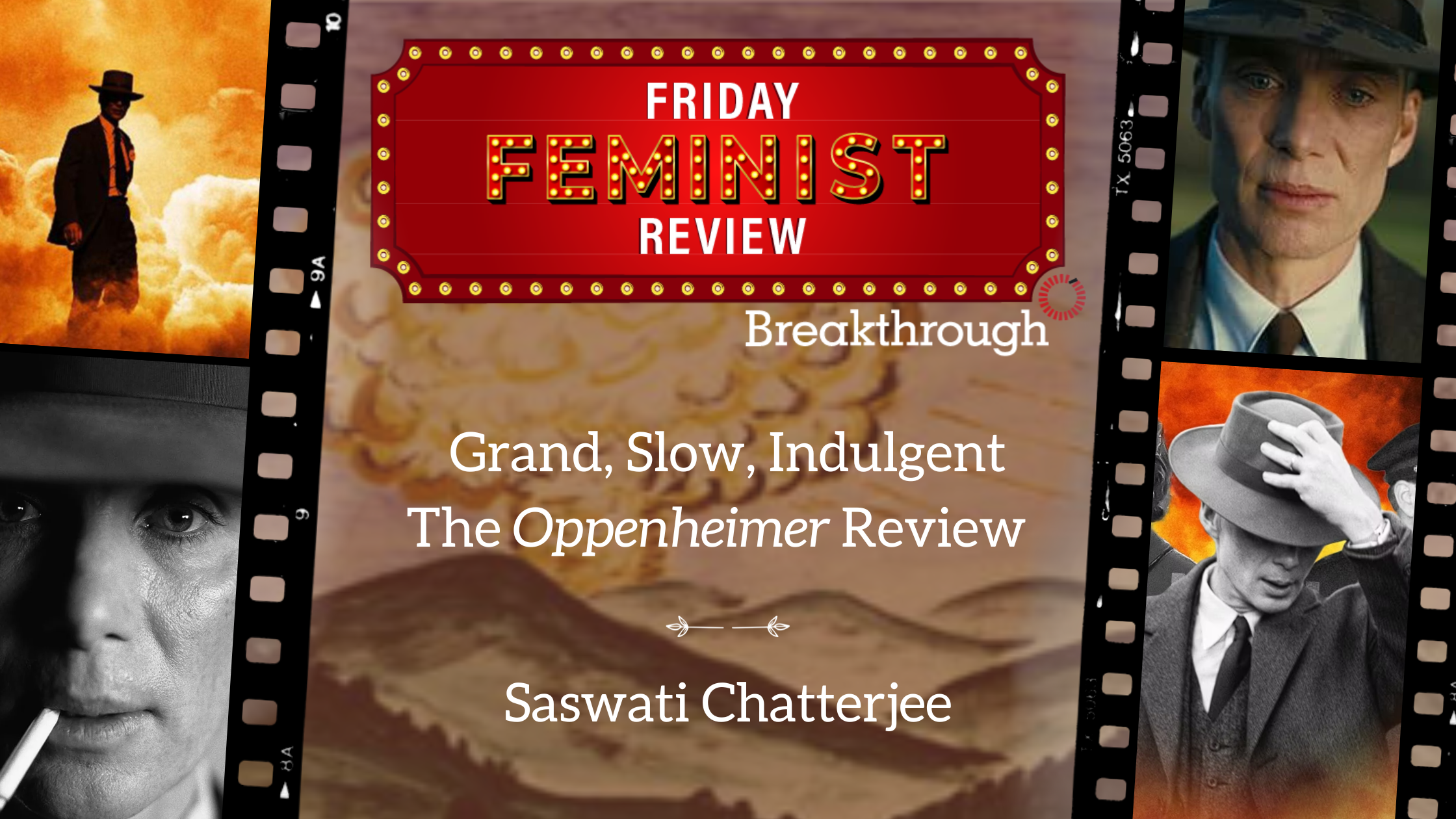
This is what I witnessed as well - an almost full movie hall for a movie which I thought was going to be a slow character examination, albeit one with two atom bombs. And Oppenheimer is that, as much as it is a number of other things. At times, it approaches a hagiography rather than a biography, occasionally morphing into a fast paced thriller. But above all, it is both the creation of and entanglement of the myth of the man who history has come to call The Father of the Atom Bomb. The film is about the life of the scientist J. Robert Oppenheimer, his role in the creation of the atom bomb, as well as his subsequent work on nuclear policy as well as the trial through which he finally lost his security clearance with the government of America (an incident which not only devastated him, but also his family; years later, his daughter would commit suicide over it.) It also paints a picture of America at the beginning of the Atomic Age till the run up to the Cold War: the time of rising McCarthyism.In India, it has been Christopher Nolan’s biopic which is the clear winner.
My prevailing thought throughout the three-hour run of the movie is how little space there was in the movie for anyone else except Oppenheimer (played by Cillian Murphy). With a few exceptions, there is almost no frame in the movie which isn’t dominated by Murphy’s lanky frame and the exceptions almost all include politician Lewis Straus, as played by Robert Downey Jr. I’ll say little about his role so as to avoid spoiling the reader (as much as it is possible to avoid spoiling an historical event) but safe to say that post Marvel, RDJ is finally getting to flex those acting muscles in ways he fully relishes. Among the other notable exceptions are the truly excellent performances given by both Emily Blunt and Gary Oldman; the latter appearing in only a single scene-stealing moment as President Harry Truman and the former in a number of powerful but underrated moments as Kitty Oppenheimer. Oppenheimer has no shortage of famous actors (no surprise for a Nolan movie) with the likes of Florence Pugh, Jack Quaid, Rami Malek to name a few, but all of them fall into the sidelines next to the main character itself.At times, it approaches a hagiography rather than a biography, occasionally morphing into a fast paced thriller.
And that is not down to Cillian Murphy himself necessarily, acting powerhouse though he may be. Rather, there is little breathing room for other characters to exist, unless they are relevant to Oppenheimer in that particular moment in his life. Scenes flash by, cut quickly so that one event leads to another but very few people linger long enough to make an impression outside of Oppenheimer himself. I was surprised to find towards the end of the movie that Jack Quaid, of The Boys fame, played celebrated physicist Richard Feynman. I had missed it in the quick pacing of the movie. On one hand, I admire it because this is clearly the vision for the film - it is, after all, called Oppenheimer and not The Manhattan Project. But on the other hand, it also feels like too much ‘world building’ (for lack of a better word) or character knowledge is left for the reader to put together with too few pieces. For example: the women in Oppenheimer’s circuit exist around him to be both bolster him and tear him down alternatively, but he remains central to their lives despite everything; he offhandedly reveals that he has been cheating on his current wife with at least two different women at different points; while presenting a new house, his wife notices there is no kitchen, revealing his lack of knowledge (and interest) in knowing anything in the running of a home.There is almost no frame in the movie which isn’t dominated by Murphy’s lanky frame
All of these scenes exist for a reason, to show Oppenheimer as a flawed man but it falls a little flat against the movie’s overbearing tendency to also build him up as a mythical figure. At one point, when told by a fellow scientist to take off the military jacket he is wearing and dress like himself, he changes in his room to his trademark hat and coat. This scene is accompanied by the camera gently dwelling on his back as he adjusts his hat with the music swelling to match the almost superhero-like imagery - the myth settling into his legend. That’s the other thing with Oppenheimer - it is not a subtle film. And this is disappointing because as much as Nolan seems willing to let the audience put together pieces elsewhere, he seems as afraid that they will miss some crucial element of Oppenheimer’s mental state and overcorrects by literally spelling it out. When Oppenheimer is presenting before a hostile committee which will eventually reject his security clearance, it is clear that he feels naked and exposed in front of them - and that is exactly what the camera shows him as, naked and exposed. It was a moment that made me roll my eyes.The women in Oppenheimer’s circuit exist around him to be both bolster him and tear him down alternatively, but he remains central to their lives despite everything.
This sort of over-the-top display works in the film’s favour when it comes to its big moments, such as the Trinity test itself: the first detonation of a nuclear weapon. The slow buildup to the bomb, itself a looming invisible presence the entire film, being hoisted up for the drop; it’s eventual detonation, the first completely silent flash followed by the roar of sound and the shock wave - it was a pivotal moment in the film and it stayed with the audience, as it did with me. Another moment, surprisingly subtle by itself, was when a pilot describes flying past a missile in the dead of the night and the viewer is shown it exactly as it happened - a beautiful moment encased in a horrifying realisation at what is to follow. There is a lack, a hole, in the film Oppenheimer and in the days before the release of the film, this resulted in a firestorm of discourse on social media. In a film made about the man who helped make one of the most infamous weapons in human history, where are its victims? What about the bombings of the Japanese cities of Hiroshima and Nagasaki, what about its people? What about its consequences? Why does the film not dwell on that?That’s the other thing with Oppenheimer - it is not a subtle film.
Having watched the film (and also noted the conspicuous gap), I would argue that the film is aware of this lack and, for good or bad, it’s a deliberate choice. In a moment of Nolanesque un-subtlety, addressing a large crowd cheering for him, Oppenheimer sees a replica of the effects of the bomb on the crowd in front of him: heat radiation burning through grotesquely smiling people as their skin melts off their bodies. Walking away from the crowd, he steps through the pulverised burnt corpse of a child and looks down at it, uncomprehending. But this is not a movie about the victims of Hiroshima and Nagasaki. (One can argue that others, including Japanese directors themselves, have made films reflecting on this traumatic event of history, such as Barefoot Gen, Hiroshima Mon Amour, or even Ishiro Honda’s Godzilla where the titular monster is an allegory for the bomb and the devastation that followed.) This movie, however, is about Oppenheimer, the man and till the end, that is the conviction the movie sticks to even when it is doing it no favours. It is Oppenheimer that the camera focuses on when he is watching a film on the effects the atom bomb had on the victims in Japan. It is Oppenheimer whose moral revulsions are shown affecting his own stance on nuclear policy post World-War II.This sort of over-the-top display works in the film’s favour when it comes to its big moments, such as the Trinity test itself.
It is strange to accuse a film named after its main character of being too much in love with its main character. At times, Oppenheimer does come across like that. At other times, it seems committed to apparently unflinchingly showing the truth of the man and his decisions: his wishy-washy political leanings, his own tendency to throw friends under the bus, his mistreatment of the women in his life. But the first half the film is spent in firmly building him up as a hero and the second half in trying to set him up as a flawed martyr. The end result is a man who exists as a semi-tragic figure in front of the camera and how much that sense of tragedy is earned remains a point of uncertainty for me.This movie, however, is about Oppenheimer, the man and till the end, that is the conviction the movie sticks to even when it is doing it no favours.
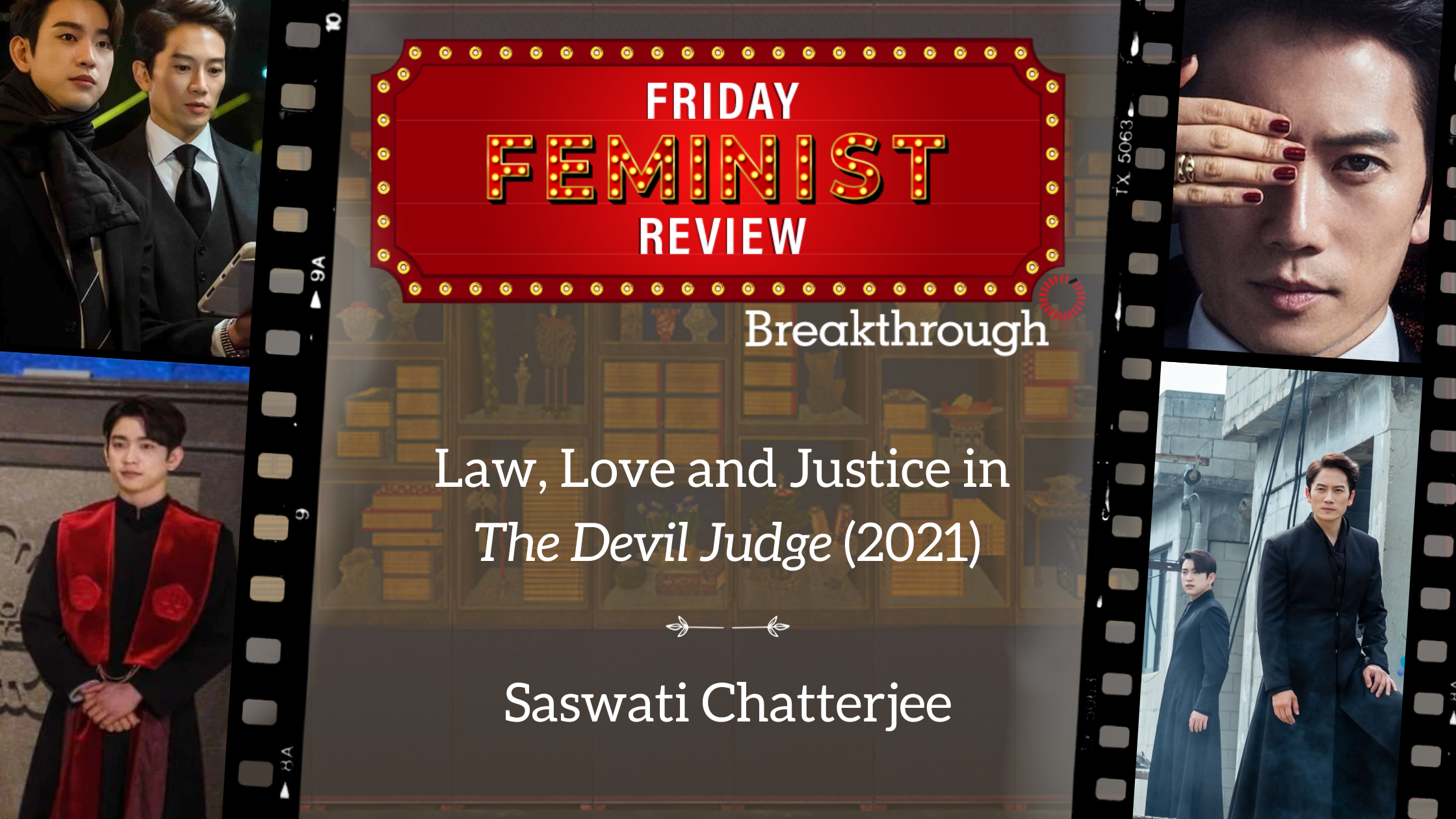
As it turns out, dystopian is the right word after all - almost every frame of the 16-episode drama is dripping with the strain of the two worlds in the show: the world of the rich, the privileged, the decadent and the world of the deprived, the poverty-stricken, the oppressed. At the outset, the world seems to be perfectly represented by the two protagonists - Kang Yohan, a popular judge known for his rigid and hardline judgements; and Kim Gaon, a righteous young judge with fixed ideas of truth and justice. The (literal and figurative) melding of these two characters is the melding of the two worlds of the show, which also seeks to answer certain questions: is the law truly just and is objective justice truly possible? Can one seek justice by the hands of the people? When does the law become a spectator sport? In one of the trials, the head of a wastewater plant is sentenced to 235 years in prison after being convicted of gross negligence and causing the death of 47 people. In another, the son of a rich politician is sentenced to being flogged in public after being convicted of assault. Each of these measures are greeted with increasing approval by the public and the end result of which is that Yohan is catapulted to higher and higher heights of public adulation until he approaches an almost messiah-like position. How the show itself feels about this is considerably murkier. The central push and pull within the show are primarily between the figures of Yohan and his associate judge, Gaon. They dance around the matter, tension bordering on sexual coiled tightly around their interactions. In fact, The Devil Judge makes the relationship between Yohan and Gaon as one of the central tenets of the story, and it shows: as often as they trade blows and end up at each other’s throats (literally), they also increasingly become the other’s fiercest champion, creating one of the strong duos in the show.From its very onset, it is obvious that The Devil Judge is willing to make certain very bold statements.
And as a foil to them, the show presents a delightful array of over-the-top villains - the bumbling but performative president, who takes after a certain populist US president; a manipulative Minister of Defense; and a trio of CEOs who are very clearly running the government from the shadows. Each villain of The Devil Judge is recognisable in the role that they play, and their caricaturish portrayals emphasise the social critique of the show. And above all, the figure of Yohan looms, larger than life, over the entire show to a borderline cartoonish degree. With one or two exceptions, he is ahead of whatever nefarious plan the government is making, and people and plans alike fall like bowling pins in his path.When does the law become a spectator sport?
 This can complicate things because of the murky nature of The Devil Judge’s politics: on one hand, it’s refreshing to watch a show which takes on populism and it’s ugly underbelly head on but at the same time, the show is unable to stick to any particular conviction for too long. The central problem is Yohan and how most other characters (and their belief systems) eventually fall subservient to him. This would be fine if the show could make up its mind about Yohan, but it often falls into the trap of attempting to make both Yohan god-like but also human at the same time.
The only person who stands apart is Gaon, and even his story eventually plays second fiddle to Yohan’s. Gaon’s story encapsulates the moderate position to Yohan’s radical but this is heavily watered down as Gaon falls deeper into Yohan’s circle. Since the plot constantly shows Gaon two steps behind Yohan, it wouldn’t have been wrong to assume that The Devil Judge favours Yohan’s politics over Gaon’s. The Devil Judge plays with this by handing Gaon the ‘reasonable’ ball to hold at times (flogging someone as punishment does sound barbaric!) but in an unreasonable world, Gaon’s insistence on trust in the system and following due process begin to sound hollow after a point. But one must also admire that the show has Gaon stick to his convictions, especially when Yohan begins to take actions which are dangerously unethical no matter how unreasonable the world.
This can complicate things because of the murky nature of The Devil Judge’s politics: on one hand, it’s refreshing to watch a show which takes on populism and it’s ugly underbelly head on but at the same time, the show is unable to stick to any particular conviction for too long. The central problem is Yohan and how most other characters (and their belief systems) eventually fall subservient to him. This would be fine if the show could make up its mind about Yohan, but it often falls into the trap of attempting to make both Yohan god-like but also human at the same time.
The only person who stands apart is Gaon, and even his story eventually plays second fiddle to Yohan’s. Gaon’s story encapsulates the moderate position to Yohan’s radical but this is heavily watered down as Gaon falls deeper into Yohan’s circle. Since the plot constantly shows Gaon two steps behind Yohan, it wouldn’t have been wrong to assume that The Devil Judge favours Yohan’s politics over Gaon’s. The Devil Judge plays with this by handing Gaon the ‘reasonable’ ball to hold at times (flogging someone as punishment does sound barbaric!) but in an unreasonable world, Gaon’s insistence on trust in the system and following due process begin to sound hollow after a point. But one must also admire that the show has Gaon stick to his convictions, especially when Yohan begins to take actions which are dangerously unethical no matter how unreasonable the world.
 Unfortunately, because of how Yohan has been built throughout the show and how his actions have been rewarded in-universe and outside (many viewers watching the show found Gaon’s actions hopelessly naive and called him ‘out’ from not siding with Yohan earlier), the balance of The Devil Judge remains skewed till the end.
By the last two episodes, Yohan and Gaon stand apart - both affected by the other but neither willing to concede, not until the very end. The world in between them is broken and changed, but apparently for the better. And so are they apparently - Gaon is no longer as idealistic as before but stronger in his convictions; Yohan has his rough edges sanded down by Gaon’s persistent care and humanity. The viewer is left with a last glimpse of hope: hope of reconciliation and the hope of a different world. At the end of a show decrying the ‘due process’ and populist methods of judgement, The Devil’s Judge makes a decision and opts for a ‘safer’ ending: a return to status quo, but with lingering questions and signs of change for the future.
Unfortunately, because of how Yohan has been built throughout the show and how his actions have been rewarded in-universe and outside (many viewers watching the show found Gaon’s actions hopelessly naive and called him ‘out’ from not siding with Yohan earlier), the balance of The Devil Judge remains skewed till the end.
By the last two episodes, Yohan and Gaon stand apart - both affected by the other but neither willing to concede, not until the very end. The world in between them is broken and changed, but apparently for the better. And so are they apparently - Gaon is no longer as idealistic as before but stronger in his convictions; Yohan has his rough edges sanded down by Gaon’s persistent care and humanity. The viewer is left with a last glimpse of hope: hope of reconciliation and the hope of a different world. At the end of a show decrying the ‘due process’ and populist methods of judgement, The Devil’s Judge makes a decision and opts for a ‘safer’ ending: a return to status quo, but with lingering questions and signs of change for the future.
As Gaon asks in the end, “How can I create a world where Yohan is not needed?” And he is replied to in turn by Yohan’s silence, and by Yohan’s lingering hand at the back of Gaon’s chair. The final reply of The Devil Judge’s slightly uneven run is provided by Yohan himself, as he walks out of the narratives, chooses to trust in Gaon’s methods and leaves the rest of the job to him.The viewer is left with a last glimpse of hope: hope of reconciliation and the hope of a different world
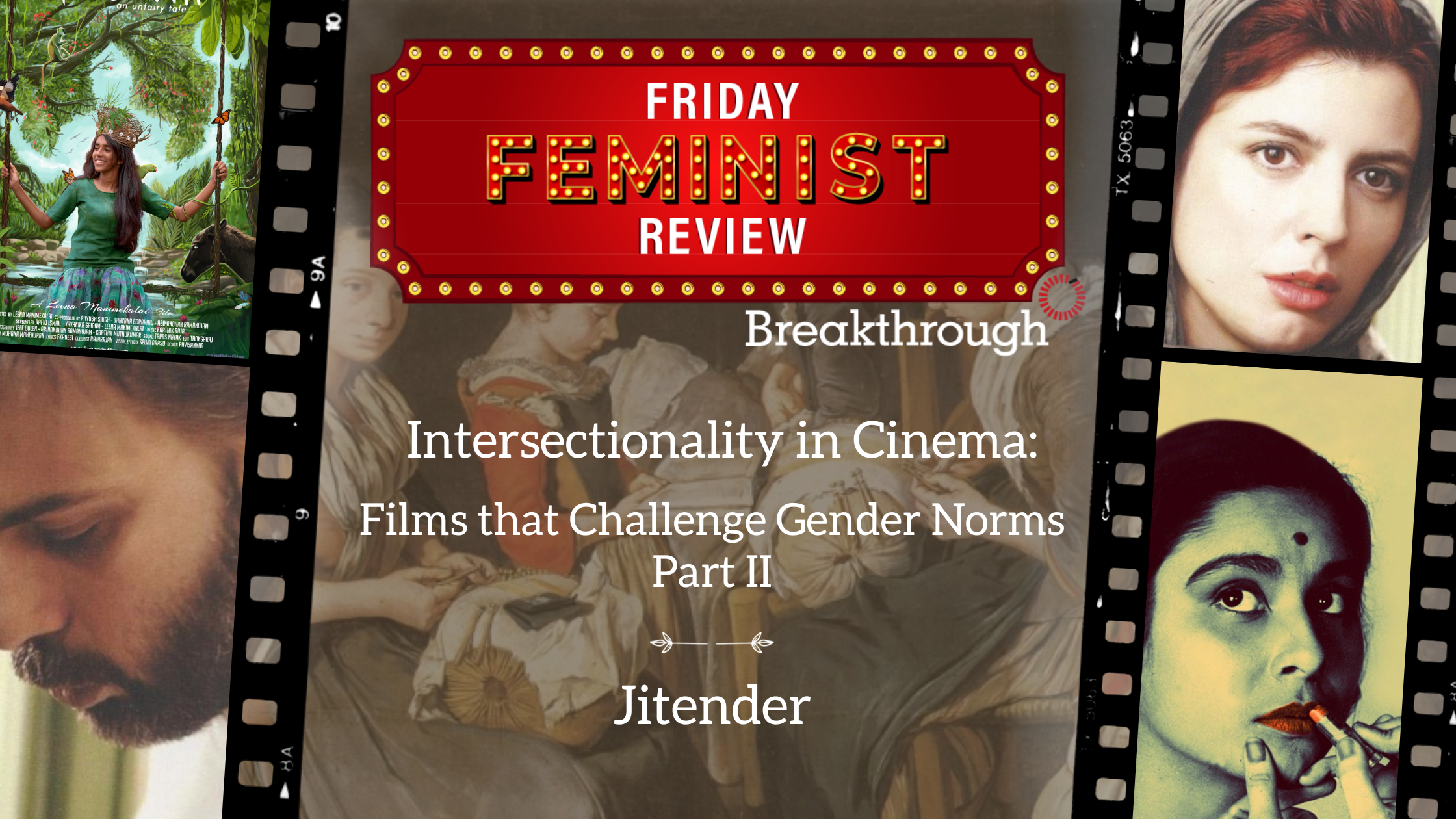
3. Maadathy (2021), directed by Leena Manimekala, India, Tamil
 Now, let's come back to India. We are not so innocent of violence in our history. Caste-based and gender based violence is rampant. Maadathy tells the story of a young Dalit girl who is infatuated by younger men who bathe near the river. Her family lives far from the main village, as the caste system mandates. Whenever they are in close proximity to an upper caste person, they need to hide so they do not pollute them. The film layers with this another subversion of societal norms: the female gaze towards a man’s body. The young girl gets excited fantasising about the man she watches, wishing for a possibility of a romance.
The film is hinged on two crucial incidents: the sexual assault on her mother and the girl by the group of men she was watching then when her family takes her dead body to the nearby temple to protest her killing. The villagers who worship the goddess cannot handle Dalits being in such close proximity to them. This starts a fight. A conflict between caste and gaze. Audiences are situated at the periphery, involved independently in the decision making process. Here the decision is simple, the young girl was wronged, the goddess was wronged, the villagers were wrong.
But the truth is that we see caste-based violence every day. So many people die in our sewers and so many women face sexual abuse but we rarely feel angry and read it in a small column of our newspapers or a discussion among our peers. Maadathy shows how the caste system at its extreme form evokes emotions in us but they should be evoked at every small incident thus making the film different than anything before as caste-based violence is not going anywhere. It is happening all around us every day.
Now, let's come back to India. We are not so innocent of violence in our history. Caste-based and gender based violence is rampant. Maadathy tells the story of a young Dalit girl who is infatuated by younger men who bathe near the river. Her family lives far from the main village, as the caste system mandates. Whenever they are in close proximity to an upper caste person, they need to hide so they do not pollute them. The film layers with this another subversion of societal norms: the female gaze towards a man’s body. The young girl gets excited fantasising about the man she watches, wishing for a possibility of a romance.
The film is hinged on two crucial incidents: the sexual assault on her mother and the girl by the group of men she was watching then when her family takes her dead body to the nearby temple to protest her killing. The villagers who worship the goddess cannot handle Dalits being in such close proximity to them. This starts a fight. A conflict between caste and gaze. Audiences are situated at the periphery, involved independently in the decision making process. Here the decision is simple, the young girl was wronged, the goddess was wronged, the villagers were wrong.
But the truth is that we see caste-based violence every day. So many people die in our sewers and so many women face sexual abuse but we rarely feel angry and read it in a small column of our newspapers or a discussion among our peers. Maadathy shows how the caste system at its extreme form evokes emotions in us but they should be evoked at every small incident thus making the film different than anything before as caste-based violence is not going anywhere. It is happening all around us every day.
Maadathy shows how the caste system at its extreme form evokes emotions in us...
4. A Separation (2011), directed by Asghar Farhadi, Iran, Persian
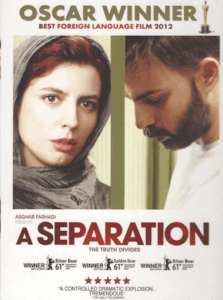 The caste system in India is also closely connected to the class system like many other societies. The Iranian film A Separation shows exactly that. The story is simple: a couple is getting divorced as the wife wants to leave Iran and the husband wants to stay back to take care of his ailing father. Their daughter has to make a complex decision to choose with whom she wants to stay. The problem arises when the husband pushes a nurse for her father outside of the house as she failed to take care of him and left his father wandering the streets. The nurse is from a poor family with her small daughter to take care of. It is revealed that she lost her baby due to the push as she fell down the stairs. The Iranian laws consider this as a murder and the husband is facing a possibility of punishment like death. The wife who was all ready to leave now has to stick back and see what can be done.
The narrative relies on a single truth: whether the husband knew the nurse was pregnant or not. Only this reality or giving a huge sum of money to the nurse’s abusive husband will save him. This creates a picture of how class and gender intersect. The young girls in the films want to pursue education but only one of them can. Tarmeh, the daughter, is a good student torn between her soon to be divorced father and mother. The young girl of the poor nurse is also interested in education but probably will not continue as her family struggles to meet the ends.
It shows a separation of many worlds, like Parasite did a few years ago, such as all the women and men and their legal system. Does pushing a woman out of his house in anger makes him a murderer or is his ignoring her worsening health of greater concern? The man who shows much kindness to his Alzheimer stricken father has now issues showing anger to those who are below him at the ladder. The wife on the other hand seems to be kinder towards the poor nurse but has to save her husband’s life as well. She tries hard to strike a bargain so they can give clemency but it fails as the nurse’s husband was insistent on getting justice delivered in any form.
The film shows these worlds of conflict and complexity in a manner that it splits the audience into half. One has to be the judge and the other has to play the jury. The women in the film are the core of the story, they are the sufferers of different kinds of marriage, social system, gender based violence, and many others. They also suffer from the loneliness that Violet suffers in 36 Chowringhee Lane. The glass door here separates the worlds of men and women starkly for us to see from a point of view where we can only see them from a distance.
The caste system in India is also closely connected to the class system like many other societies. The Iranian film A Separation shows exactly that. The story is simple: a couple is getting divorced as the wife wants to leave Iran and the husband wants to stay back to take care of his ailing father. Their daughter has to make a complex decision to choose with whom she wants to stay. The problem arises when the husband pushes a nurse for her father outside of the house as she failed to take care of him and left his father wandering the streets. The nurse is from a poor family with her small daughter to take care of. It is revealed that she lost her baby due to the push as she fell down the stairs. The Iranian laws consider this as a murder and the husband is facing a possibility of punishment like death. The wife who was all ready to leave now has to stick back and see what can be done.
The narrative relies on a single truth: whether the husband knew the nurse was pregnant or not. Only this reality or giving a huge sum of money to the nurse’s abusive husband will save him. This creates a picture of how class and gender intersect. The young girls in the films want to pursue education but only one of them can. Tarmeh, the daughter, is a good student torn between her soon to be divorced father and mother. The young girl of the poor nurse is also interested in education but probably will not continue as her family struggles to meet the ends.
It shows a separation of many worlds, like Parasite did a few years ago, such as all the women and men and their legal system. Does pushing a woman out of his house in anger makes him a murderer or is his ignoring her worsening health of greater concern? The man who shows much kindness to his Alzheimer stricken father has now issues showing anger to those who are below him at the ladder. The wife on the other hand seems to be kinder towards the poor nurse but has to save her husband’s life as well. She tries hard to strike a bargain so they can give clemency but it fails as the nurse’s husband was insistent on getting justice delivered in any form.
The film shows these worlds of conflict and complexity in a manner that it splits the audience into half. One has to be the judge and the other has to play the jury. The women in the film are the core of the story, they are the sufferers of different kinds of marriage, social system, gender based violence, and many others. They also suffer from the loneliness that Violet suffers in 36 Chowringhee Lane. The glass door here separates the worlds of men and women starkly for us to see from a point of view where we can only see them from a distance.
The film shows these worlds of conflict and complexity in a manner that it splits the audience into half.
5. Mahanagar (1963), directed by Satyajit Ray, India, Bangla and English
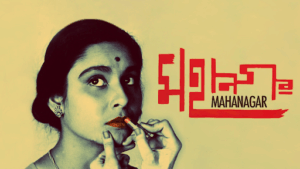 Mahanagar shows a story of a woman getting out of her house to take care of her family. She befriends an Anglo Indian girl for whom she ends up leaving her job. This is the general narrative of the film. A simple protest against globalisation and patriarchy. The film shows Arati, played by Madhabi Mukherjee, stepping out to work as a saleswoman as her husband is unemployed. We see the world through her eyes where she is a hardworking woman. This leads to quick promotion and praise from everyone around her. There is also a famous poster of the film where she applied red lipstick for the first time as a way to show that she is free. She has been shown as a woman fighting against the odds like her own family, like Joyland showed recently, and shows her feminist perspective. She is quite powerful in calling out her boss who fires her friend on unethical grounds. She asks him to apologise which the boss refuses as he is a man and her boss. She ends up submitting her resignation in protest and meets her husband. They both embrace each other as partners, showing a gender equality that we rarely see in our cinema.
The film’s ending though may not feel as feminist as the woman ends up apologising to her husband for choosing freedom but that shows a male perspective that can always be expected from men, and Satayjit Ray is no exception. But the film is a true feminist fable as it shows radical kindness in protest and standing your ground without throwing the ideas of bashing out of the window. Mahanagar shows the megacity that we are still discovering where many women are stepping out for the first time and learning the importance of financial freedom. The film holds all these ideas together through Arati’s eyes and her lipstick makes sure they glow as red as her freedom when she applies it.
Mahanagar shows a story of a woman getting out of her house to take care of her family. She befriends an Anglo Indian girl for whom she ends up leaving her job. This is the general narrative of the film. A simple protest against globalisation and patriarchy. The film shows Arati, played by Madhabi Mukherjee, stepping out to work as a saleswoman as her husband is unemployed. We see the world through her eyes where she is a hardworking woman. This leads to quick promotion and praise from everyone around her. There is also a famous poster of the film where she applied red lipstick for the first time as a way to show that she is free. She has been shown as a woman fighting against the odds like her own family, like Joyland showed recently, and shows her feminist perspective. She is quite powerful in calling out her boss who fires her friend on unethical grounds. She asks him to apologise which the boss refuses as he is a man and her boss. She ends up submitting her resignation in protest and meets her husband. They both embrace each other as partners, showing a gender equality that we rarely see in our cinema.
The film’s ending though may not feel as feminist as the woman ends up apologising to her husband for choosing freedom but that shows a male perspective that can always be expected from men, and Satayjit Ray is no exception. But the film is a true feminist fable as it shows radical kindness in protest and standing your ground without throwing the ideas of bashing out of the window. Mahanagar shows the megacity that we are still discovering where many women are stepping out for the first time and learning the importance of financial freedom. The film holds all these ideas together through Arati’s eyes and her lipstick makes sure they glow as red as her freedom when she applies it.
But the film is a true feminist fable as it shows radical kindness in protest and standing your ground...
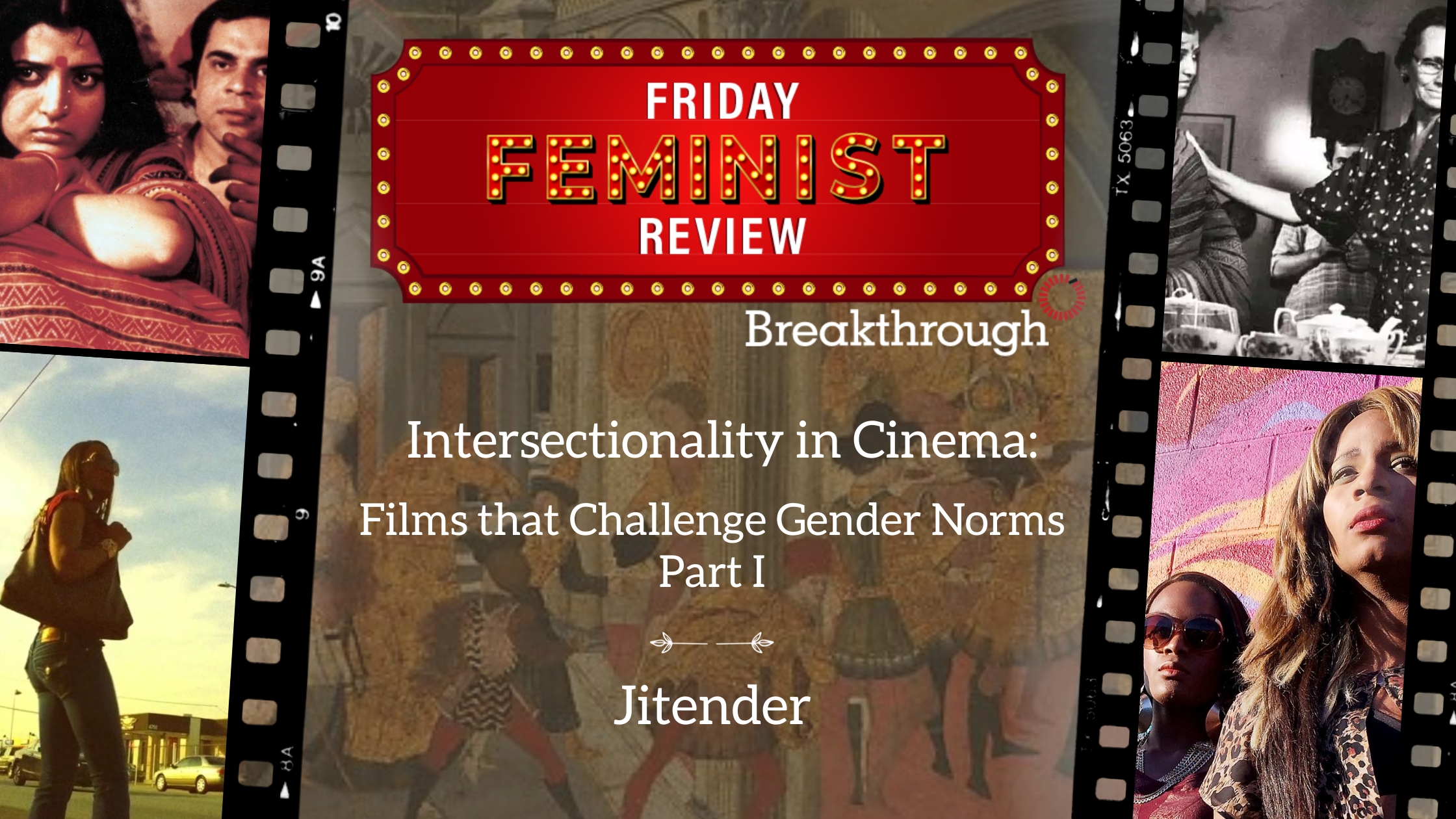
1. 36 Chowringhee Lane (1981), directed by Aparna Sen, India, Bangla and English
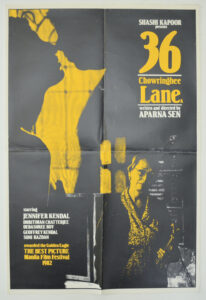
In one way, the young student breaks the norms but once her own relationship is socially enshrined as legitimate, her refusal to invite Violet at a Christmas party sees her upholding the same society’s ageist rules. Violet is not young and vibrant like her other friends. She will stand out in public but the fact that she was a close friend in her private life is not prioritised. This duality creates the third lens, that of the audience who watch Violet walking alone in a street and reciting King Lear to a stray dog at the end of the film. It speaks perfectly to how we do not see older women worthy of joy, pleasure, and sexual beings but someone to pity. Violet is the woman worthy of pity as she walks back betrayed, realising she was not invited to a party organised by her ‘friends’. It is a cruel lens that leaves Violet not considered worthy of anything but pity and the unconditional but ultimately incomprehensible attentions of a stray dog.The class difference is stark and adherence to the social norms quite murky.
2. Tangerine (2015), directed by Sean Baker, USA, English
 Where 36 Chowringhee Lane ends, is where Tangerine begins. It begins with a friendship of two black transgender sex workers sharing a donut on Christmas eve. Cindy is just out of prison with two dollars in her pockets and meets her best friend Alexandria to talk about her fiancé Chester. She gets to know that Chester was cheating on her and then the entire film goes on a journey that also ends with the two friends, sitting together and sharing a wig this time. Tangerine showcases the power of friendship as none of the protagonists beg for pity or neither they were framed as such. They are shown in their life living with drama. For Cindy, the drama of her life is the core of her existence as she is the firebrand in the film. She explodes with an energy and a rawness of feminist vocabulary of not caring about anyone. Yet we see her trapped in the same way Violet was. She is in love and needs the approval of her fiancé to say that. She dreams of a bigger life and is ready to fight anyone.
Alexandria, on the other hand, is an aspiring singer who even pays a club to let her sing Toyland. She brings the feminist rage only at times when her livelihood is challenged. She is ready to battle out a man when he refuses to pay her for services she provided. The joy of the film is in the finer moments, whether it is the singing at a bar or supporting her friends when they are harassed by passersby. This is the flashpoint of the film, that above all a friendship mixed with kindness is always needed.
Where 36 Chowringhee Lane ends, is where Tangerine begins. It begins with a friendship of two black transgender sex workers sharing a donut on Christmas eve. Cindy is just out of prison with two dollars in her pockets and meets her best friend Alexandria to talk about her fiancé Chester. She gets to know that Chester was cheating on her and then the entire film goes on a journey that also ends with the two friends, sitting together and sharing a wig this time. Tangerine showcases the power of friendship as none of the protagonists beg for pity or neither they were framed as such. They are shown in their life living with drama. For Cindy, the drama of her life is the core of her existence as she is the firebrand in the film. She explodes with an energy and a rawness of feminist vocabulary of not caring about anyone. Yet we see her trapped in the same way Violet was. She is in love and needs the approval of her fiancé to say that. She dreams of a bigger life and is ready to fight anyone.
Alexandria, on the other hand, is an aspiring singer who even pays a club to let her sing Toyland. She brings the feminist rage only at times when her livelihood is challenged. She is ready to battle out a man when he refuses to pay her for services she provided. The joy of the film is in the finer moments, whether it is the singing at a bar or supporting her friends when they are harassed by passersby. This is the flashpoint of the film, that above all a friendship mixed with kindness is always needed.
Before this incident, they both were seemingly parting ways but decided to share their wig as they shared the donut in the beginning. The film is a complex mix of reality and fantasy. The fantasy world shows both them as being all accepted as they are but in moments of reality they are called names. The film is fantastic in its narration as the actors representing one of the most marginalised populations in the USA–black transgender sex workers–are also the same in their own lives. Killing of black and brown transgender women in the USA is high and the accused rarely get justice, getting away instead with the shield of a ‘gay panic’ defence. Watching the film with this context in mind, one feels like the characters are walking on eggshells. One waits for a tragedy to happen but rather it ends in joy and compassion. It is a must watch to understand the complex racial and gender dynamics of a society that seems to set precedents for others to follow. What other films have you seen that make you question gender norms and how society polices them? Think about them. See you back here next week for part two of this article!Tangerine showcases the power of friendship as none of the protagonists beg for pity or neither they were framed as such.
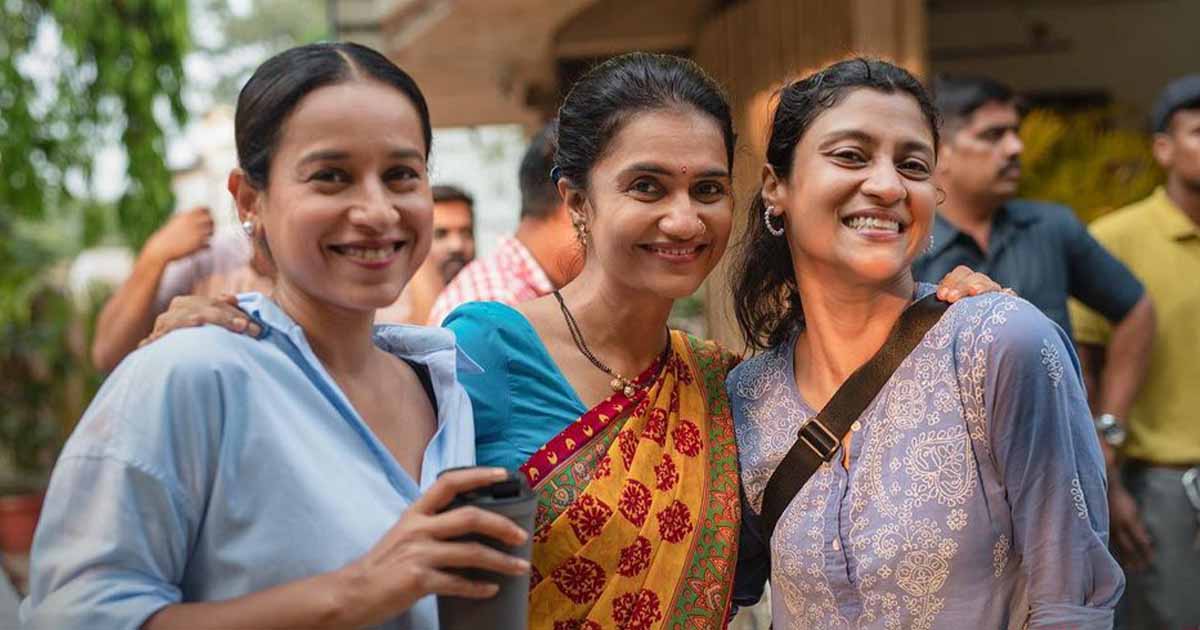
Both sex and mutual pleasure in the act become means to an end–preserving the institution of marriage. The implication is that divorce, infidelity, abuse, or dejection stand no chance–if the sex is good. While we may all wish for our elders to be more sex positive, it turns out that the parental injunction that we must have sex can be worse than the opposite.The film then dives headfirst into Konkona Sen Sharma’s ‘The Mirror’, almost as apologia for its heterosexual focus. Tilottama Shome’s high functioning Isheeta suffers from her chronically single life. Her clandestine trysts watching Amruta Subhash’s Seema and her husband (played to perfection by Shrikant Yadav) are a celebration of the female gaze, as this becomes a guilty antidote to her loneliness. Seema feels her employer’s eye on them via the strategically placed oval mirror, revels in it, and is inspired to be even more audacious with her husband. But Konkona does not stop here. In an inspired reversal of Shome’s lauded turn as the domestic worker Ratna in Rohena Gera’s doomed inter-class romance Sir (2018), she lashes out at Seema when her presence is discovered in the house during one of these conjugal visits. With a vehemence that goes beyond class into the casteist, she invalidates their very bodies as incapable of being worthy of her desire. Her rejection of the care work Seema performs and the intimacy they, therefore, share also discounts the labour these same bodies put into maintaining her way of life. Seema’s playful acceptance of her employer’s attentions transform into an equally scathing critique that turns Isheeta’s gaze back at her, exposing both the transgressive and voyeuristic nature of her desire.

There is merit in noting here that the film that towers over the rest in this anthology is the only one directed by a woman. One of the more excellent touches in Konkona’s short is the way it refuses to draw to a close. It does not end with the peeping, the outburst, or even the quiet reconciliation at the local vegetable stall. The camera returns to the scene of the crime (against heteronormativity).
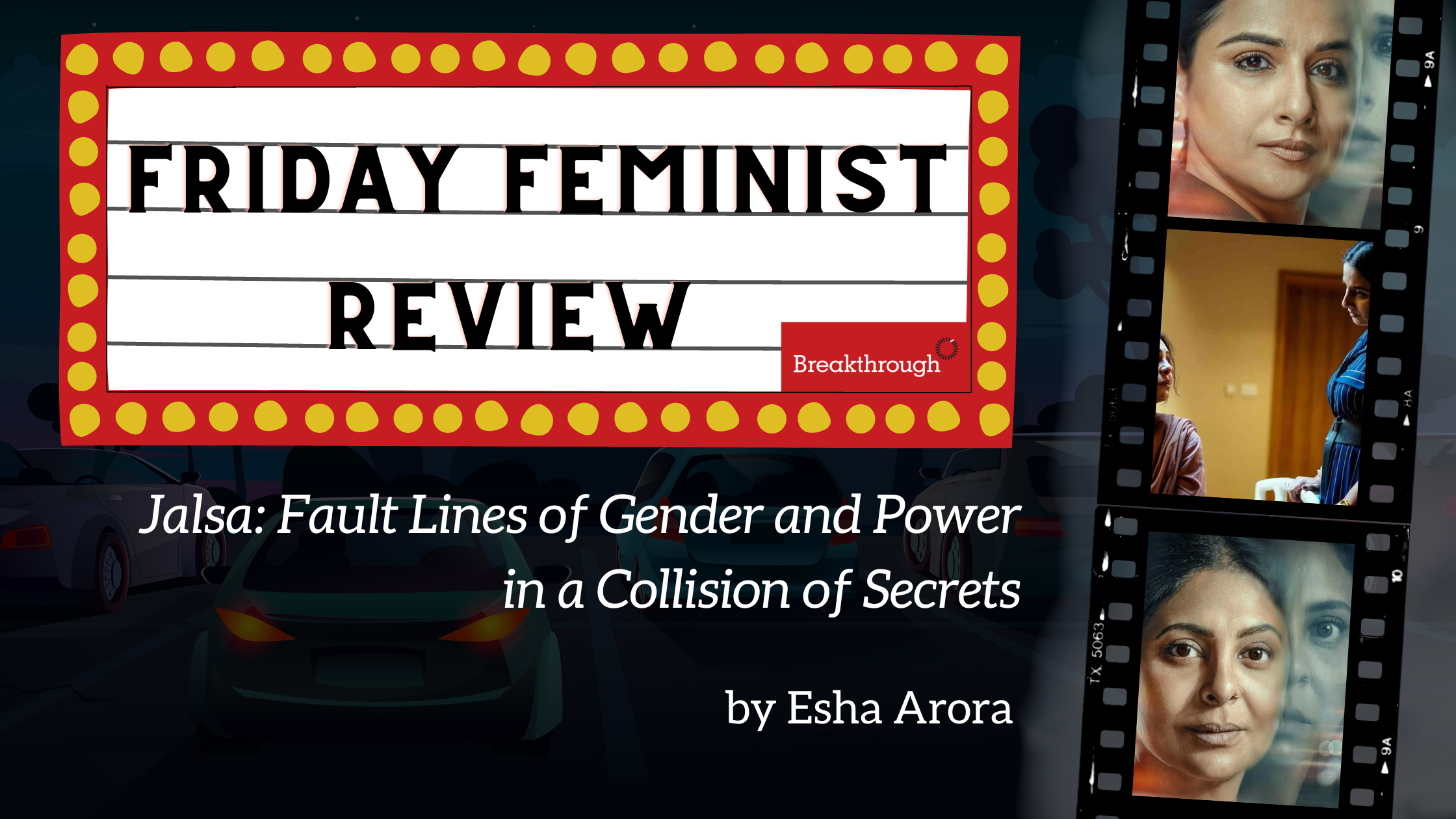
It is a chronicle of conflicts and contradictions. A collision between power, morality, ethics, motherhood, grief, and regret in a circle of chaos, urgency and inequity. Jalsa depicts that celebration need not always be a pretentious display of something. It can be when your mind, body and soul align to do what is right, even if it may be too late to do so. Maya (Vidya Balan) and Rukhsana (Shefali) stand in both solidarity and contrast as mothers. Suresh organically uses this common subject matter to start building a story that massively impacts families on both ends. Maya’s life seems perfect until one fateful night, when she falls asleep at the wheel of her car while driving back home late from work. She hits a young girl (Rukhsana’s teenage daughter Aliyah), who suddenly appears in front of her car.Jalsa takes us into the lives of two powerful yet vulnerable women who are caught in a web of control and deceit
This accident threatens to derail Maya’s career, even as it devastates Rukhsana’s life. The film parades a murderer’s row of characters that find themselves tangled with the tragedy. However, fear, self-preservation, financial needs, career success, and personal relationships drive them to conceal the truth, leaving each character at odds with their own intentions and the pursuit of justice. A question arises if the case and details of everyone's truth will ever be discovered for the case to be fairly solved. By the end, the focus stays on the Truth. This truth, which cannot always be pleasant or acceptable, but has to come out someday. The plot masterfully weaves many complicated subjects together; the plot and characters are very well stitched together to a scintillating climax. This would be a great double bill to watch with Hansal Mehta’s recent limited series on Netflix, Scoop, which also deals with the ethics and limits of journalism and the precarity of women’s place in it.Maya (Vidya Balan) and Rukhsana (Shefali) stand in both solidarity and contrast as mothers.
This truth, which cannot always be pleasant or acceptable, but has to come out someday.
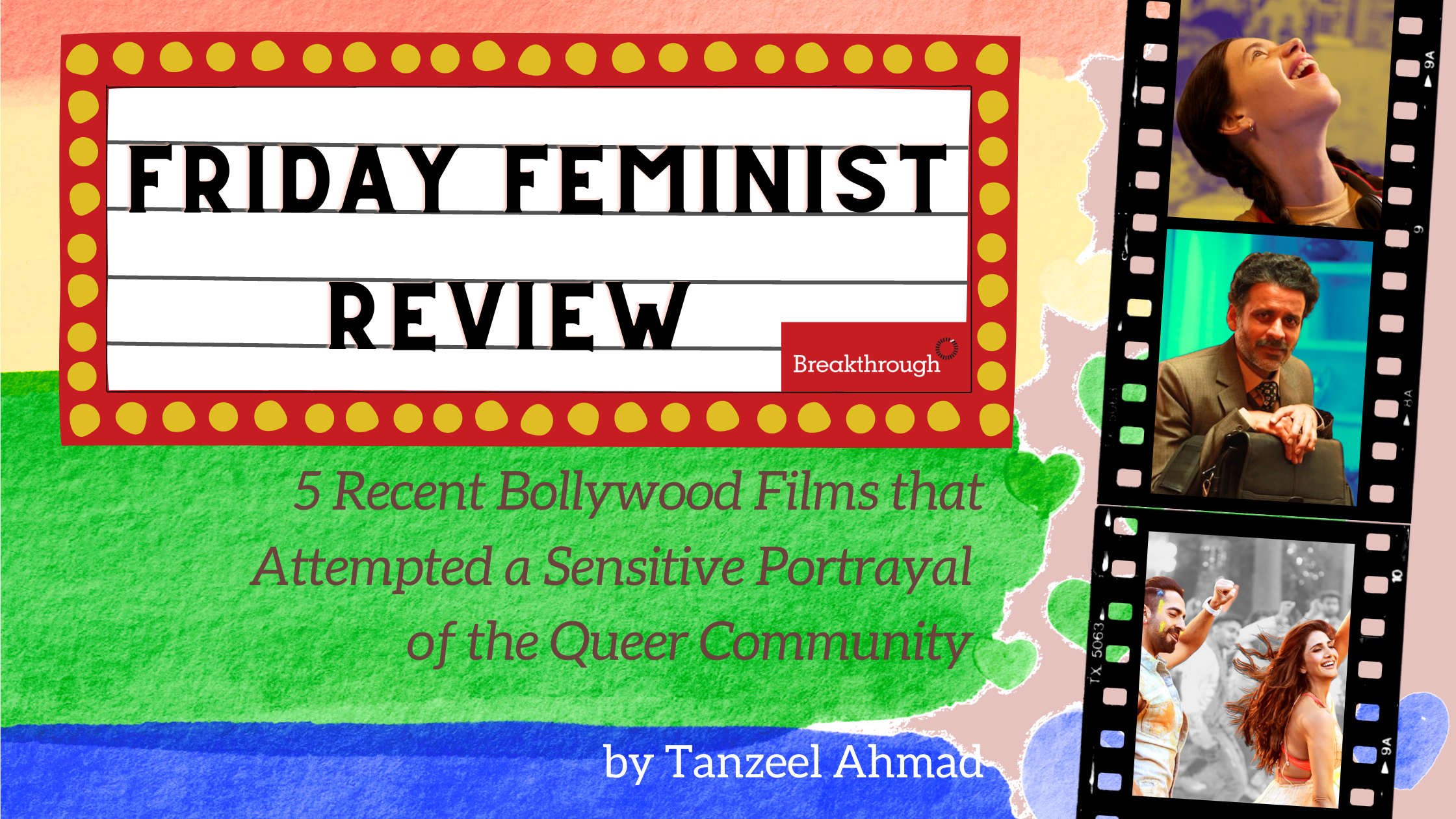
Margarita With A Straw (2014)
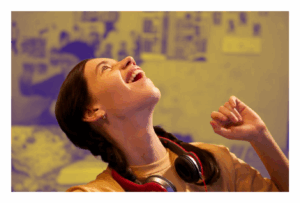 Directed by Shonali Bose and starring Kalki Koechlin as a person with cerebral palsy bound to a wheel-chair, Margarita with a Straw paints a picture of a person with disabilities on their quest of self-discovery, sexual liberation and exploration. The movie wins in how it shows the protagonist as not dependent on able-bodied people and instead, rightfully gives a dignified portrayal as a character that does not intend to invoke the pity of others.
Aligarh (2015)
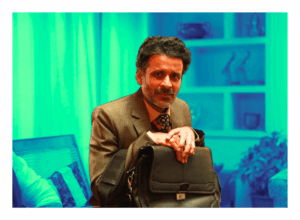 This Hansal Mehta movie is based on the true story of professor Shrinivas Ramchandra Siras who was suspended and then fired because of a ‘sting operation’ that revealed his relationship with another man. Things change for the better for the professor (played brilliantly by Manoj Bajpayee) when a journalist, Deepu Sebastian, gets involved and his suspension gets revoked.
Kapoor and Sons (2016)
 A breath of fresh air when it comes to Karan Johar’s otherwise caricaturized portrayal of the queer community, this Dharma Productions movie was among the few that paved way for normalising the portrayal of the lives of queer people. Kapoor and Sons was instrumental in encouraging inclusion, even though it did not go into greater detail about general queer concerns.
Ek Ladki Ko Dekha Toh Aisa Laga (2019)
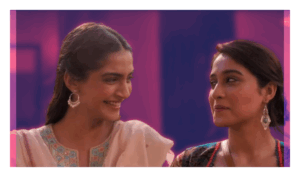 In the context of the decriminalisation of Section 377, Ek Ladki Ko Dekha Toh Aisa Laga (2019) was an important commentary to improve the ethical visibility of queer characters in Bollywood. Written and directed by transgender people Gazal Dhaliwal and Shelly Chopra Dhar, this film offered Bollywood fans a novel plot that broke from queer clichés and paved the way for future queer representation in Indian cinema.
Chandigarh Kare Aashiqui (2021 )
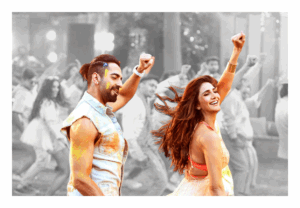 The plot of Chandigarh Kare Aashiqui (2021) has a transgender woman who is ‘cis-passing’, or being mistaken by most people for a cisgender woman, a woman designated female at birth. Movie also received criticism for getting a cis woman to play a trans woman's role when there are enough and more trans women actors entitled to play the role in the industry today who did not get the part.
However, it is crucial to recognize that appropriate portrayal and diversity in mainstream Indian film still have a long way to go. Characters that identify as trans and queer are frequently presented in stereotyped and caricatured ways, which reinforces negative preconceptions and maintains stigmas. There is a need for more varied perspectives behind the camera and for trans and queer people to be represented more prominently in both mainstream and indie movies.
Note: This is not an exhaustive or a holistically representative list.
The plot of Chandigarh Kare Aashiqui (2021) has a transgender woman who is ‘cis-passing’, or being mistaken by most people for a cisgender woman, a woman designated female at birth. Movie also received criticism for getting a cis woman to play a trans woman's role when there are enough and more trans women actors entitled to play the role in the industry today who did not get the part.
However, it is crucial to recognize that appropriate portrayal and diversity in mainstream Indian film still have a long way to go. Characters that identify as trans and queer are frequently presented in stereotyped and caricatured ways, which reinforces negative preconceptions and maintains stigmas. There is a need for more varied perspectives behind the camera and for trans and queer people to be represented more prominently in both mainstream and indie movies.
Note: This is not an exhaustive or a holistically representative list. 
But that is not the only portrayal of love as a political rebellion that the show talks about. What pop culture easily keeps aside to painfully describe, such as same-sex love or the elderly exploring companionship or sexual intimacy, the show approaches with a certain light-heartedness and candour. When Brimsley and Reynolds, the royal secretaries, dance together, our heart fills with joy just as much when we see the Queen and the King dance with each other. The scenes that show Queen Charlotte being an core support system for King George as he battled bipolar disorder (which remained undiagnosed back then) really emphasise on the radical nature of the Queen’s love for the King and her full acceptance of his mental health conditions.It shows the act of loving as a deeply political act, powerful enough to change the winds as we know.
A younger Lady Agatha Danbury, who had never known love in intimacy, is seen reclaiming her sexual agency as a widow. This, again, makes for an important commentary–a younger Lady Danbury, if anything, was joyful to know that her husband had passed on, because that meant she did not have to perform the duty of sex as his wife. So she goes on to explore intimacy filled with passion and not something that includes her head violently hitting the headboard of the bed. Also important to add here is the emphasis the show lays on Agatha’s lived experiences as a Black woman and resultant dual forms of oppression she faces. Meanwhile, an older Lady Danbury is seen reassuring Violet Bridgerton that ‘her garden beginning to bloom’ is nothing for her to be ashamed of. Closer home, we saw the movie Badhai Ho (2018) approaching the topic of elderly people being sexually active but by using the instrument of pregnancy to legitimize it. Here, Lady Bridgerton just wants to be touched and nothing more and the show attempts to normalize this very aspect.Love is a radically political tool of rebellion. - Deepa Pawar
bell hooks had once said that “The practice of love is the most powerful antidote to the politics of domination.” The narrative threads in Queen Charlotte are tied together by the political potential of the characters’ personal assertions of love and intimacy. Love makes difficult battles slightly less difficult to waddle through and that’s a reassuring takeaway from the show....the emphasis the show lays on Agatha’s lived experiences as a Black woman and resultant dual forms of oppression she faces.

The answer, of course, is family: the newest addition to the triangle of love and friendship in his films. Rohan's seemingly progressive, endearing family suffocates Tinni with their expectations and decisions for her life. Rohan is only too happy to comply. Marrying someone, for him, is marrying their family as well. But Tinni disagrees. She is the first female Luv Ranjan lead to have a mind of her own. Her experience of her mother compromising in a joint family hasn't been empowering or liberating like Rohan's. But this is not given even half the serious attention that Rohan, his family, and their conservative values are. They hijack the film, its love story, the relationship between the lovers, and even hijack its climax, with an absurd airport proposal involving the entire family.She opens her mouth to answer but the character promptly holds his hand to her mouth, smiles, and literally shuts her up.
Although there's a momentary acknowledgment of their mistakes here in disregarding Tinni's boundaries, it is quickly forgotten as they beg her to join their family. Tinni accepts, swept away by Ranjan's Hum Saath Saath Hain logic, and all her previous concerns magically disappear. The best way to resolve conflict becomes to forget that there was any in the first place. The film sweeps us off into a musical montage of a new life for her. She embraces Rohan's family as her own, while her professional ambitions, reluctance to have children, and autonomy take a backseat.Marrying someone, for him, is marrying their family as well.
Their seemingly progressive acceptance of her lifestyle conveniently alleviates all of Tinni’s previous worries about their controlling and toxic nature. To slightly misquote Karan Johar: It's all about loving your (husband's) family....her professional ambitions, reluctance to have children, and autonomy take a backseat.
Which is why Anand Swarnakar, an upper caste man, knows exactly whom to target. He preys on the loneliness of the women who have, all their lives, been relegated to a place where love, respect or simply the act of being seen, is denied. It’s easier for Anand to move on to the next woman and to the next and then to the next, because these women are structurally forgettable. So forgettable, that when they go missing, most of the families do not even bother looking for them. So it takes Bhaati sa’ab, whose lived experiences of being a marginalised caste woman facing the pressures of getting married resonate with those of the victims, to give the case the importance it deserves. At the same time, it is important to note that there are several markers for Sonakshi Sinha’s character to pass off as an upper caste person. For instance, her father changed their surname to Bhaati from Meghwal (an SC caste community in Rajasthan); her role is that of a senior officer in charge; and lastly, she has a comfortable and a huge house of her own. These nuances to her characterisation is important to observe, because despite all these, her character is ostracised and denied social mobility because of how her lower caste status cuts through the above-mentioned markers. The film also comments on performances as informed by caste and gender locations of the people. For instance, when Bhaati rides through the dusty lanes on her motorbike, she gets called ‘Lady Singham’. Anand’s father derides him for not being a dominant financial provider in his household, while Anand comments on Shiv Swarnakar’s inability to father a child....when you do not have the social means, class and caste privilege to access mobility to make decisions for themselves, could make one feel lonely.
While Bhaati sa’ab’s act is a subversion from traditional gender performances expected by a woman and is a way of reclaiming her space in a society that has denied her the same, the other two instances comment on the conventional performances of heteromasculinity - that to provide and of the potency to reproduce. Interestingly, the film, inspired by the real story of Cyanide Mohan, touches upon several nuances, right from the current polarising communal political climate in India to the deeply entrenched caste hierarchy (the symbolical presentation of a fellow policeman lighting incense sticks every time Bhaati crosses his line of vision, is a splendid take on this issue). One aspect that came across as avoidable, especially when written by women themselves (Zoya Akhtar and Reema Kagti) is the setting up of women against women. In Devi Lal Singh's family, his wife is shown protesting their daughter's impending trip to Delhi from school and by extension, the daughter’s autonomy. Bhaati's mother is shown as a woman pressuring the daughter to get married and resenting her job as a cop who spends long hours at work. Since neither narratives contribute constructively to the main story-line, the makers could have put efforts to not typecast the mothers as regressive while juxtaposing them against progressive, liberal fathers. Overall, Dahaad makes for an interesting watch, especially since it’s packaged as a story of a murderer hiding in plain sight but in reality, is a hard-hitting commentary on the lives of women invisibilized by their socially marginalised gender and caste locations.The film also comments on performances as informed by caste and gender locations of the people.
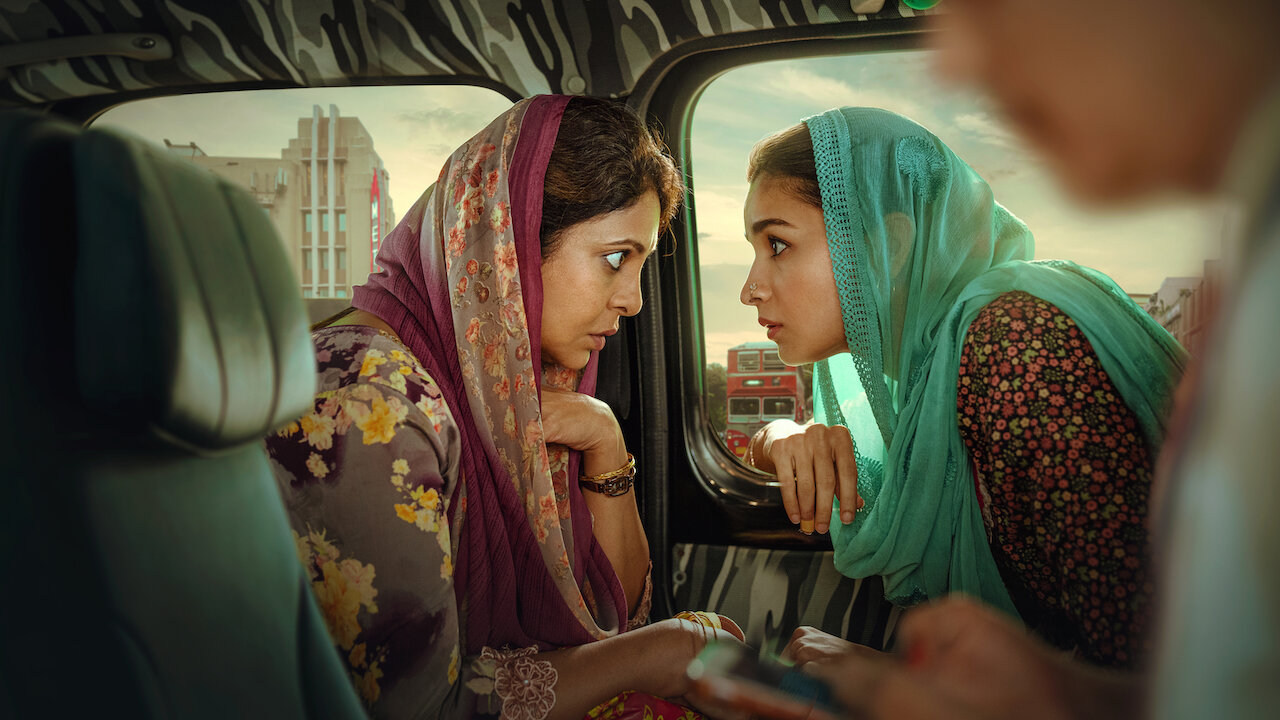
The film talks about the different aspects of the society on different levels. Starting with the power relation portrayed in the film and how the patterns of violence work. For eg: Hamza used to get exploited by his boss at work where he was forced to clean the toilet. He could not retaliate there because his boss was more powerful, so he decides to channel his frustration to the less powerful person, which is Badru, his wife.That a man can claim to love you but at the same time be violent towards you.
In many cases of domestic violence, this is a very common pattern where husband beats up wife, wife beats up kids and kids pass the same treatment to less powerful peers and the pattern of channelising the anger and frustration to less powerful continues.Side note: A very important part of this film was the story being set in a Muslim family and not focusing on the stereotypes of Muslim characters, unlike many Bollywood movies. For as long as I can remember, I have been watching Bollywood depict a Muslim character as someone who prays five times a day, wears kajal, wears a skull cap and speaks only heavy Urdu. This, I feel, has also in a way harmed the image of Muslim community, reducing them to stereotypes where they are depicted as ill mannered and violent in nature, adding to the idea that Islam propagates violence and hatred. Talking about the male allies in the film, there were great protrayals by Zulfi (played by Roshan Mathew, who is Badru's mother, Shamsu's friend. He is a struggling writer by profession) and Kasim (played by Rajesh Sharma, who is Shamsu's friend. He is a butcher by profession). These men do not have a saviour complex, but at the same time both of them are concerned about Badru and her mother Shamsu and, as a result, they always support both women and never try to lead or talk over them. The film also depicts generational violence. In the film, Badru’s mother Shamsu had gone through the same exploitation by her husband that Badru now faces. Badru talks about the violence faced by her mother outside the police station where she claimed that her relationship with her husband is different from the relationship between her mother Shamsu and her father because Hamza loves her. The one thing which could have been improved was not putting the onus of standing up to the violence on women themselves. There were instances in the film where women were blamed and questioned for not taking a stand, which I feel is not fair. The dialogues between Shamsu and the policeman when she says, “daaru peeke mard jallad kyu ban jaata hai?” (why does a man become an executioner after drinking alcohol?) and the police man replies, “kyuki aurat banne deti hai” (because the woman allows it), is once again putting the onus and responsibility on woman. Towards the end, the film also tried to normalise the romantic relationship between a younger man and an elder woman which I thought was adorable! The way Zulfi confesses his feelings for Shamsu was cute. The kind of acceptance Badru showed towards the relationship of Shamsu and Zulfi was also beautiful and progressive. In the end, the dialogue which describes that not all men are the same and Shamsu should consider Zulfi gives us hope: to not give up on love!
Get Involved
There are many ways can contribute to our campaigns and make a difference.